







How To Lower Cortisol Naturally
Wondering how to lower cortisol levels? Learn natural, science-backed ways to support healthy cortisol levels with this detailed guide.

Key Takeaways:
-
Cortisol is your body's primary stress hormone, and chronically elevated levels can affect your sleep quality, mood, and overall sense of wellness
-
Simple, consistent lifestyle habits like mindful movement, quality sleep, and a nourishing diet can go a long way in supporting healthy cortisol balance
-
Natural wellness supplements, including hemp extract and beneficial botanicals, may complement a balanced approach to everyday stress support
Stress is part of life, but when it lingers day after day, it can leave you feeling wired, exhausted, and a little disconnected from yourself. A lot of that comes down to cortisol, your body's main stress hormone. In small doses, cortisol can be helpful. But when it stays elevated for too long, it can quietly affect your sleep quality, mood, energy, and overall sense of balance.
The good news is that supporting healthy cortisol levels doesn't require a complete life overhaul. Small, intentional habits can make a meaningful difference over time.
In this article, we'll break down what cortisol actually does, why it matters for your wellbeing, and practical, science-backed ways to help your body find its footing again.
What is cortisol?
Cortisol is produced by your adrenal glands and plays a key role in your body's stress response. When you encounter a stressful situation, cortisol kicks in to help you react quickly. That's a good thing in short bursts.
The challenge comes when stress becomes chronic . When cortisol stays elevated for an extended period of time, it can contribute to poor sleep quality, low energy, emotional wellness struggles, and a general sense of feeling "off."
Your body has built-in systems designed to help manage this balance, including the endocannabinoid system, or ECS . This complex regulatory network can influence mood, sleep, and how your body responds to stress. Understanding it helps explain why so many natural approaches can play a meaningful role in your wellness routine.
What are natural ways to support healthy cortisol? levels?
There's no single fix for elevated cortisol, but the following strategies are backed by research and work best when combined into a consistent routine.
1. Make quality sleep a priority
Sleep and cortisol have a deeply connected relationship . Poor sleep quality can raise cortisol levels, and elevated cortisol can make it harder to wind down at night. Breaking that cycle starts with your sleep habits.
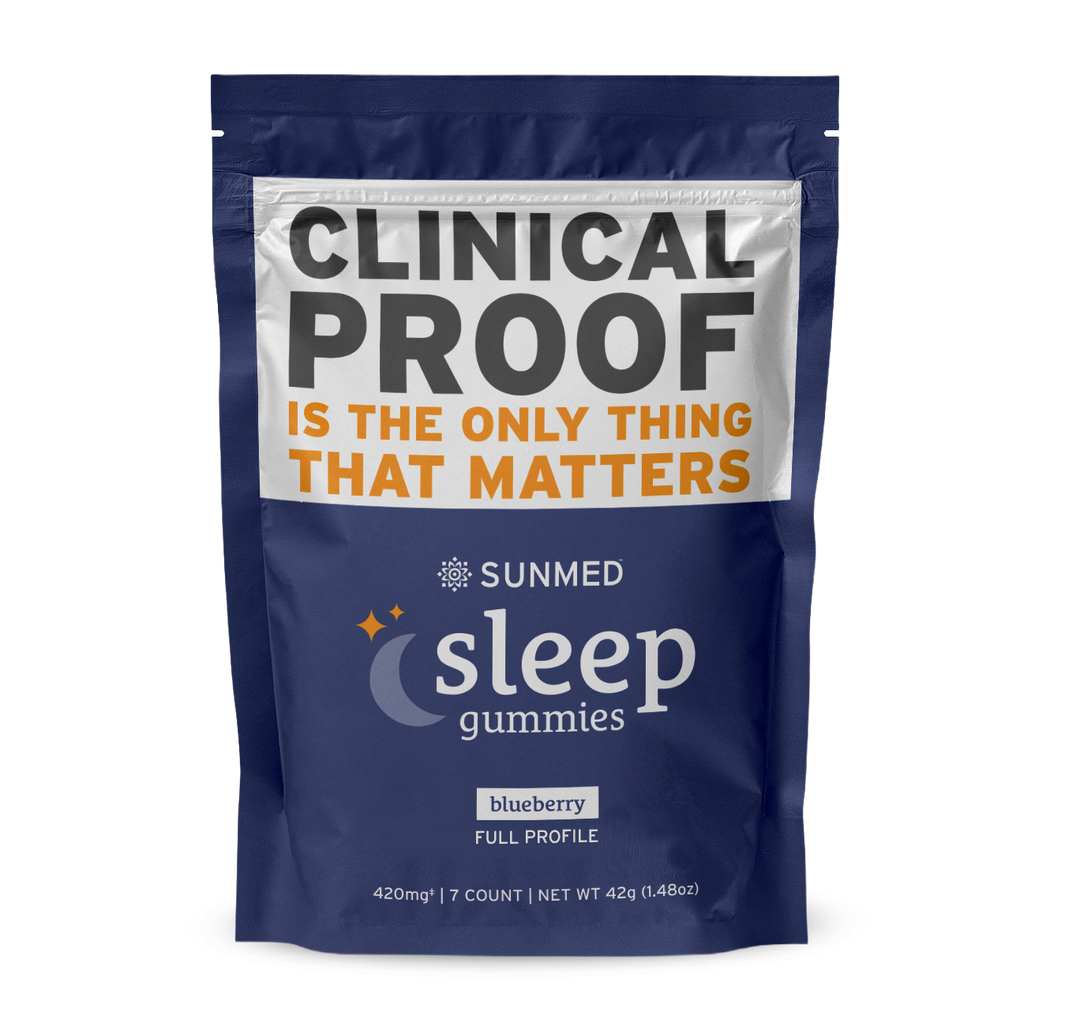
Try keeping a consistent bedtime, reducing screen exposure in the evening, and creating a calming wind-down routine. Even small changes, like dimming the lights an hour before bed or spending 10 minutes doing something relaxing, can signal to your nervous system that it's time to rest.
2. Move your body (but don't overdo it)
Regular, moderate exercise is one of the most well-researched tools for supporting a healthy cortisol response . Activities like walking, yoga, swimming, or cycling can help your body process stress more efficiently.
That said, more isn't always better. High-intensity exercise done too frequently can actually push your cortisol higher. Balance is the goal here. Listen to your body and aim for movement that feels sustainable and enjoyable.
3. Try mindfulness and breathwork
Slowing down your breath is one of the fastest ways to communicate safety to your nervous system. Practices like deep diaphragmatic breathing , guided meditation, and body scan exercises have been shown to support the body's natural stress response.
You don't need an hour-long session for this to be effective. Even five minutes of intentional breathwork during a stressful moment can make a measurable difference in how you feel.
4. Nourish your body with whole foods
What you eat directly affects how your body manages stress hormones. A diet rich in antioxidants, omega-3 fatty acids, and anti-inflammatory whole foods can help support cortisol balance over time.
Some foods worth adding to your routine include fatty fish like salmon, dark leafy greens, blueberries, dark chocolate, and adaptogenic foods like ashwagandha. These aren't miracle ingredients, but they support your body's overall resilience in a meaningful way.
5. Consider adaptogens and hemp-based wellness supplements
Adaptogens are plant-based compounds that may help your body adapt to feelings of tension and maintain balance during stressful periods. Herbs like ashwagandha, rhodiola, and holy basil have long been used to support emotional wellness and a calm state of mind.
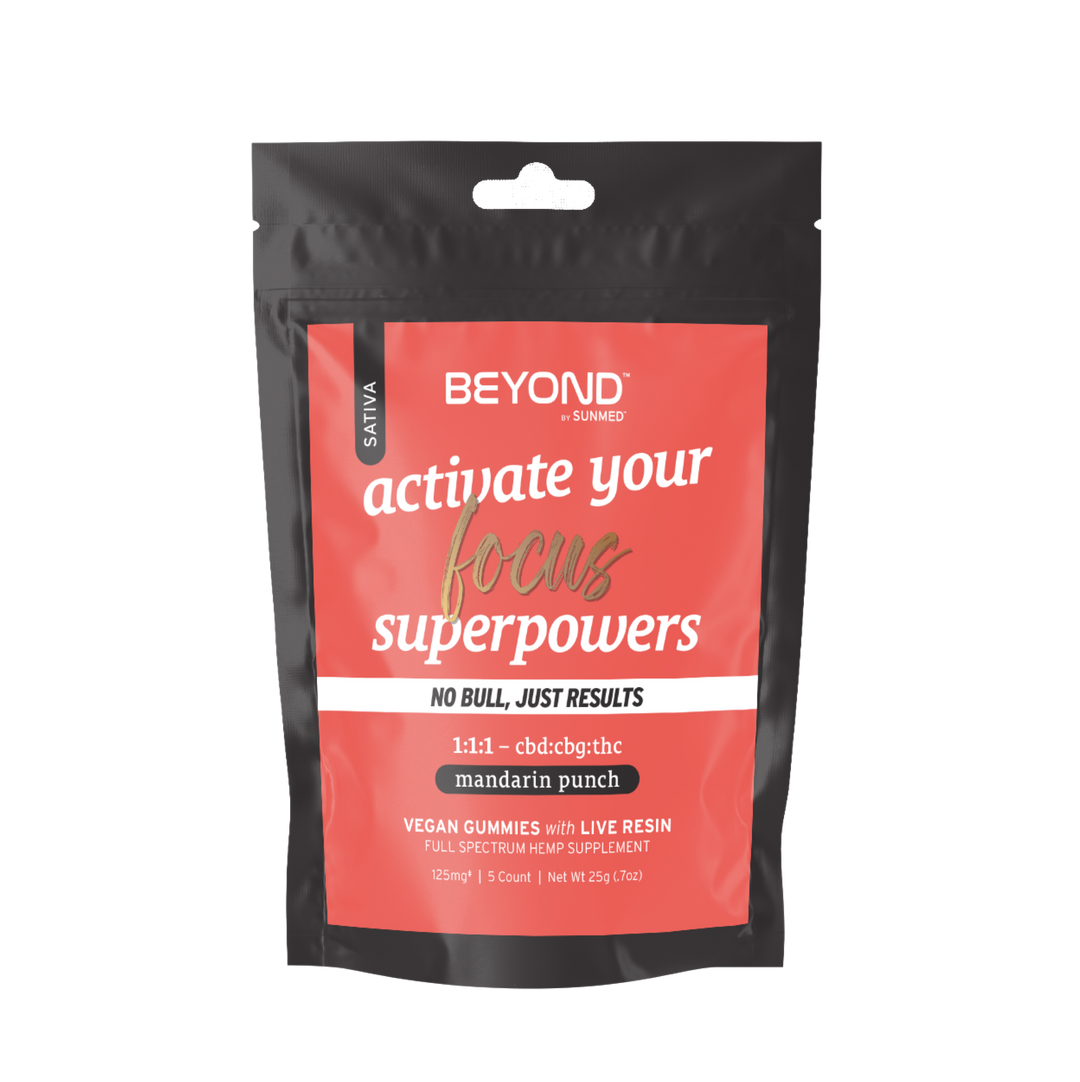
CBD can support the body's ECS and promote a more balanced stress response . Because the ECS plays such a central role in regulating mood and stress, incorporating a quality hemp extract into your daily routine may be a natural complement to the other strategies on this list.
6. Cut back on caffeine and alcohol
Both caffeine and alcohol can disrupt your body's natural cortisol rhythm, particularly in the evening. This doesn't mean you have to give up your morning coffee entirely. It just means being mindful of timing and quantity, especially if you're already dealing with sleep disturbances or feelings of tension throughout the day.
7. Protect your downtime and stay connected
Rest isn't laziness. It's recovery. Intentional downtime and meaningful social connection are two of the most underrated tools for emotional wellness. Whether it's a walk with a friend, a quiet evening at home, or simply stepping away from your phone, protecting your peace is a legitimate wellness strategy.
The bottom line
If you made it this far, that's worth acknowledging. Taking the time to understand what your body is going through and looking for thoughtful, natural ways to support it is exactly the kind of approach that leads to lasting change.
Managing cortisol isn't about achieving a perfectly stress-free life. It's about giving your body the consistent support it needs to regulate itself more effectively. Sleep, movement, mindfulness, nourishing foods, and the right wellness supplements all contribute to that foundation in their own way.
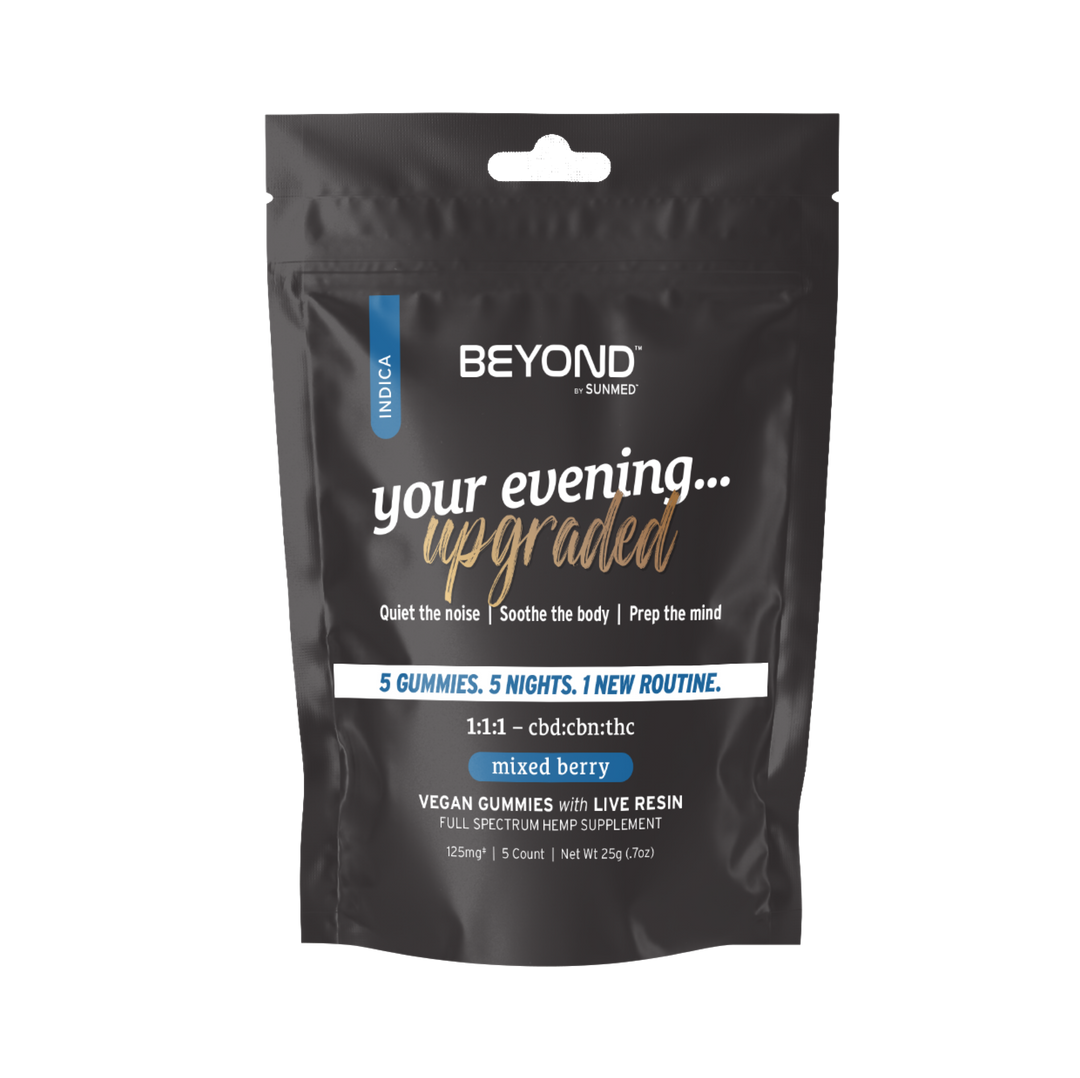
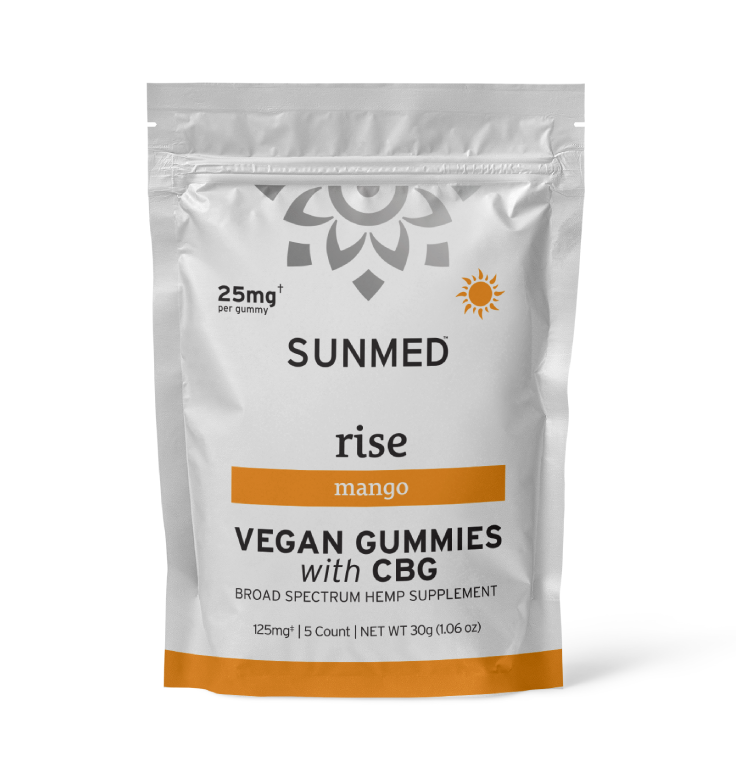
For those curious about incorporating hemp-derived support into their routine, CBD products can be a simple, meaningful addition to the habits you're already building. At Sunmed , our hemp-derived wellness products are formulated with real science and everyday balance in mind.
You don't have to overhaul your entire life to start feeling better. Small, consistent steps add up.
FAQs
How long does it take to see results from natural cortisol-lowering strategies?
It varies from person to person, but most people begin to notice shifts in their overall sense of calm within a few weeks of consistently applying these habits. The key is consistency. These approaches work best when they become part of your regular routine rather than something you try once during a particularly stressful week.
Can CBD actually help with cortisol?
Research into CBD and the Endocannabinoid System is ongoing, but early findings suggest that hemp extract may support the body's natural stress response and promote a sense of calm. It's not a replacement for healthy habits, but for many people, it serves as a helpful complement to them.
Is it safe to take herbal supplements like ashwagandha alongside hemp extract?
Many people incorporate multiple adaptogens and botanicals into their wellness routine without issue, but it's always a good idea to check with your healthcare provider before starting something new, especially if you're taking other medications. Quality and sourcing matter too, so look for products that are transparent about their ingredients and testing standards.
What's the difference between full spectrum and broad spectrum hemp extract?
Full spectrum hemp extract contains a complete range of naturally occurring cannabinoids, terpenes, and plant compounds that work together synergistically. Broad spectrum hemp extract goes through additional processing to remove THC while retaining other beneficial compounds. Both can be effective wellness supplements.
*This statement has not been evaluated by the Food & Drug Administration. This product is not intended to diagnose, treat, cure, or prevent any disease.
Sources:
Cortisol: What It Is, Function, Symptoms & Levels | Cleveland Clinic
The effect of adaptogenic plants on stress: A systematic review and meta-analysis | ScienceDirect