







Does THC Make Your Heart Race? Here's Why It Happens
Why does weed make my heart race? Find out why it happens, what to expect, and tips for the best experience with Sunmed.

Key takeaways:
- A faster heartbeat from THC is a commonly reported experience and is usually temporary.
- THC interacts with the body through the endocannabinoid system, which plays a role in regulating heart rate, mood, and overall balance.
- Factors like serving size, body chemistry, emotional state, and product composition can all influence how THC feels in the body.
Noticing your heart beating faster than usual can be unsettling, especially if it happens when you’re trying to relax. While an accelerated heart rate after using THC can catch you off guard, it’s a well-documented effect that has a clear explanation rooted in how the body responds to cannabinoids.
In this guide from Sunmed, let’s talk about why your heart may feel like it’s racing from THC.
What is THC?
THC, short for delta-9 tetrahydrocannabinol, is a naturally occurring compound found in the cannabis and hemp plant.
Specifically, THC is one of the most well-researched cannabinoids, or cannabis-derived bioactive compounds, that can interact with the body’s endocannabinoid system (ECS) to help maintain internal balance.
Unlike CBD, which is the main cannabinoid in the hemp plant, THC can bind directly with certain cannabinoid receptors in the brain that are associated with psychoactive effects. This allows THC to produce perceptible changes in mood, awareness, and body sensations. These changes result from THC binding to specific receptors throughout the brain and body, particularly those involved in mood, perception, and cardiovascular regulation.
It’s also important to understand that THC doesn’t affect everyone the same way. Factors like metabolism, prior exposure, sensitivity, and even the time of day can influence how strongly someone feels its effects. That variability is one reason education is such an important part of a healthy, comfortable experience.
How can the endocannabinoid system influence heart rate?
The ECS plays a key role in helping the body maintain balance. It’s involved in regulating mood, sleep, appetite, immune response, and cardiovascular function, including heart rate.
The ECS is made up of three main components:
- Endocannabinoids, which are compounds the body naturally produces
- Receptors, primarily CB1 and CB2
- Enzymes that help break down endocannabinoids after they’ve done their job
CB1 receptors are especially relevant when it comes to THC. These receptors are found throughout the central and peripheral nervous system, as well as in areas connected to heart function and blood vessel regulation.
When THC enters the body, it binds to CB1 receptors and temporarily influences how signals are sent and received.
This interaction can affect heart rate in a few ways. THC may cause blood vessels to relax, which can lead to a slight drop in blood pressure. In response, the heart may beat faster for a short period as the body works to maintain steady circulation. This is a normal compensatory response and doesn’t automatically signal a problem.
The ECS is dynamic, meaning it’s constantly adjusting based on internal and external factors. When THC is introduced, the system responds, adapts, and eventually returns to baseline as the compound is metabolized.
Why THC may make your heart feel like it’s racing
A faster heartbeat after consuming hemp-derived THC usually comes down to a combination of physical and mental factors. Understanding these can help separate normal body responses from unnecessary worry.
Changes in blood flow
One of the most studied effects of THC is its influence on blood vessel tone. THC may encourage blood vessels to relax, which can slightly lower blood pressure. When this happens, the heart may temporarily increase its rate to keep blood flowing efficiently throughout the body.
This response is typically mild and short-lived. Many people wouldn’t notice it at all if they weren’t paying close attention to how their body feels at that moment.
Heightened body awareness
THC is known to increase awareness of internal sensations. This doesn’t necessarily mean the heart is beating dangerously fast. Often, it means the brain is paying more attention to signals it normally filters out.
A heartbeat that usually goes unnoticed can suddenly feel prominent. Breathing may feel deeper or more noticeable. These changes can be surprising, but they’re often related to perception rather than a dramatic physical shift.
Emotional sensitivity
Your emotional state plays a meaningful role in how THC feels. The temporary changes in perception that occur when THC binds with CB1 receptors in the brain can sometimes produce less desirable effects like stress, nervousness, and paranoia.
Taking a high dose of THC can sometimes lead to unpleasant side effects such as feelings of nervousness. An elevated heart rate is a common effect of stress. This can create a feedback loop where worry increases body awareness, and awareness increases worry.
Knowing that this response is common and temporary can help interrupt that cycle and support a calmer experience. The following practices may help:
- Find a quiet space
- Drink water
- Listen to a soothing album
- Put on a comfort movie
- Practice some relaxation techniques
- Remind yourself that it will pass
You may hear terms like indica experience or indica-leaning terpene profile used to describe products that are commonly associated with more relaxing, body-centered effects. These descriptors don’t refer to guaranteed outcomes, but they can offer helpful context when choosing a product that aligns with your wellness goals.
What factors can influence your THC experience?
A racing heart isn’t caused by THC alone. Several internal and external factors can shape how intense this sensation feels.
Serving size
Serving size plays a significant role in how THC is experienced. Smaller amounts may feel subtle, while larger amounts can increase the likelihood of noticeable physical sensations and side effects.
To keep your THC experience relaxing and inspiring rather than overwhelming, we recommend starting with a small amount (2-5mg) at a time. Allow it time to take effect before taking more, and keep track of how you feel while gradually adjusting your daily dose as needed.
Individual body chemistry
Everyone’s response to THC is unique. Metabolism, sensitivity to cannabinoids, prior exposure, and overall health can all influence how THC is processed. What feels mild for one person may feel intense for another, even with the same product. Experiment on your own timeline, and listen to your body as you find what type and amount of THC makes you feel best.
Environment and mindset
Where you are and how you’re feeling can strongly influence perception. Calm, familiar environments often support a more relaxed experience, while stressful or unfamiliar settings may heighten awareness of physical sensations.
Mental state matters too. If someone is already feeling tense, they may be more likely to notice changes in heart rate or breathing. Understanding this connection can help reduce unnecessary worry.
Cannabis strain
When it comes to cannabis and hemp plants, there are all sorts of variations and strains. The three main categories are indica, sativa, and hybrid.
Indica strains are commonly associated with a more calming, body-centered experience that may feel physically grounding rather than mentally stimulating.
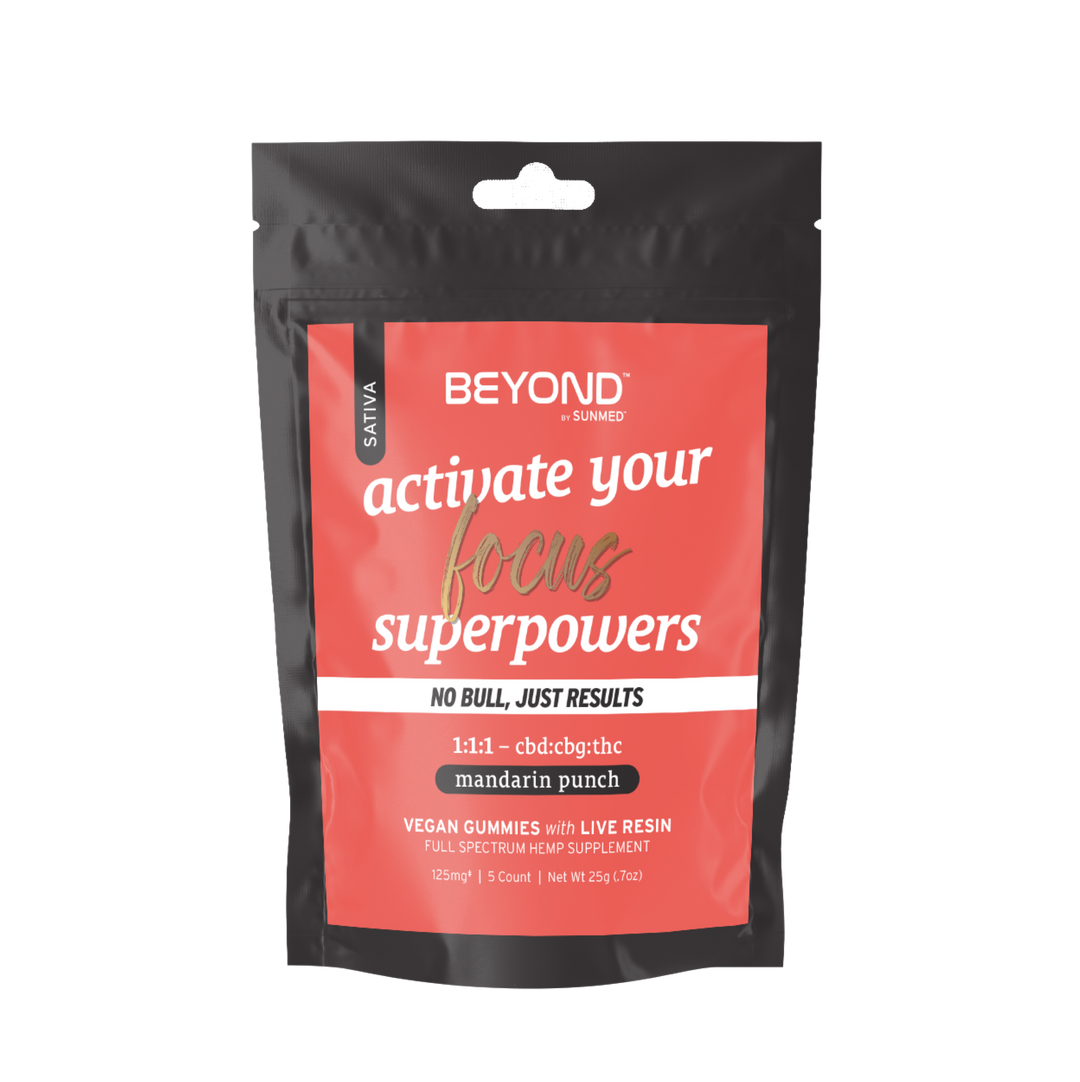
Sativa plants, on the other hand, are typically associated with more energizing effects and a greater sense of mental stimulation and alertness. Because sativa-leaning experiences can feel more noticeable in the mind, it may lead to heightened awareness of physical sensations, including changes in heart rate.
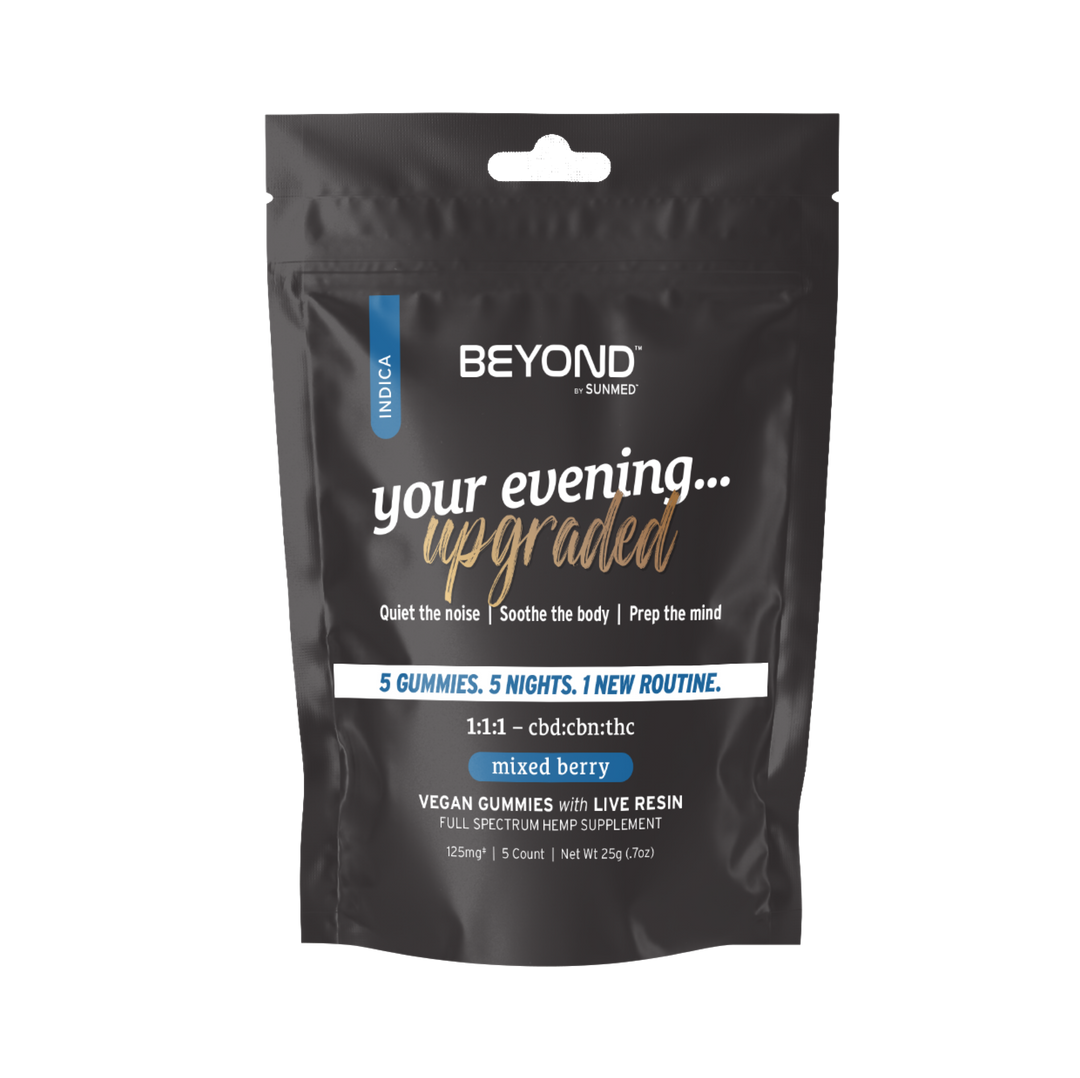
If you’re concerned about feeling overstimulated or experiencing a racing heart, an indica product may provide more support and calmness for the body.
How to support a calm, comfortable experience
If you’ve noticed a faster heartbeat with THC in the past, there are supportive steps that may help encourage a steadier, more grounded experience.
Staying hydrated is a simple but often overlooked factor. Adequate hydration supports circulation and overall comfort.
Creating a calm environment can also make a difference. Soft lighting, comfortable seating, and a familiar setting may help reduce external stressors.
Slow, steady breathing can help signal calm to the nervous system. Bringing attention to the breath rather than internal sensations may reduce heightened awareness of heart rate.
Some people also find that choosing products with calming terpene profiles feels more supportive. Paying attention to how your body responds over time can help you make choices that align with your personal wellness preferences.
When a racing heart might require further attention
For most people, a faster heartbeat associated with hemp-derived THC is temporary and resolves as the body metabolizes the cannabinoid. That said, ongoing or intense discomfort should never be ignored.
If an elevated heart rate is persistent, continues after the effects of THC have worn off, or is accompanied by other concerning symptoms, seeking guidance from a qualified healthcare professional is always the right step. This is especially important for individuals with existing cardiovascular concerns or those taking medications that may affect heart function.
The bottom line
Understanding how THC interacts with the body can take much of the uncertainty out of the experience. At Sunmed, we believe education builds confidence and supports better wellness decisions.
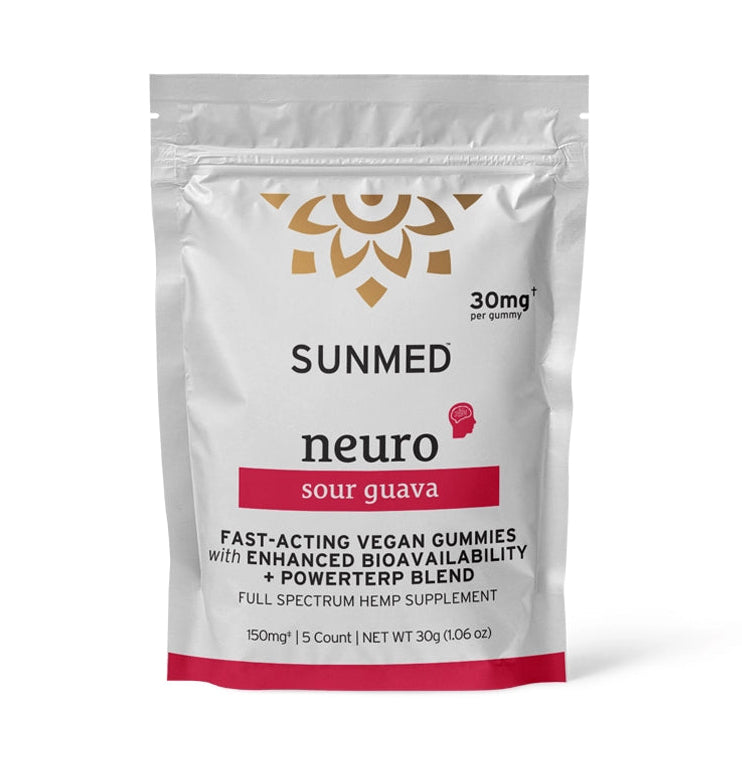
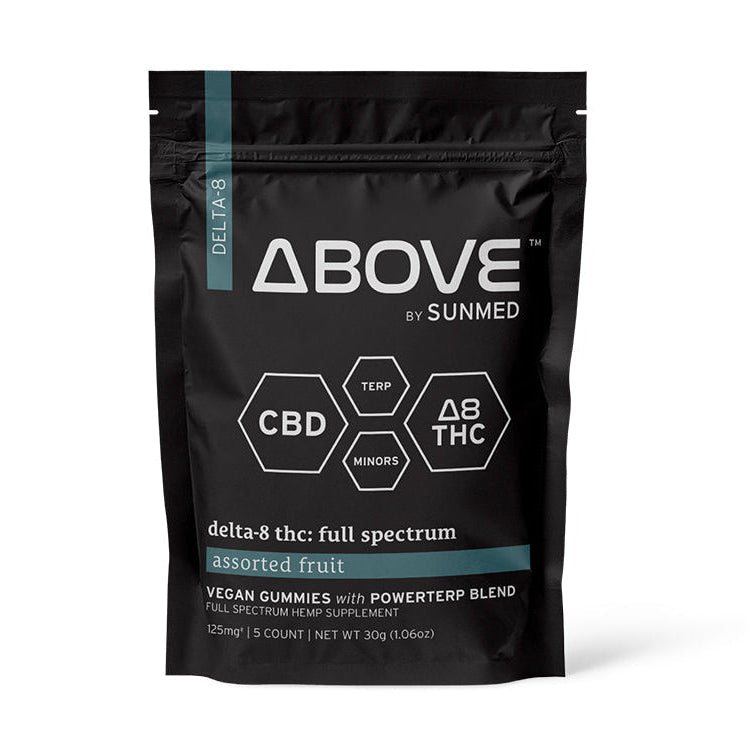
Our products are crafted using high-quality hemp extract and are backed by third-party testing to ensure purity, consistency, and transparency. We offer delta-8 and delta-9 THC options designed to support informed, intentional wellness routines.
We’re committed to making hemp-derived wellness approachable, credible, and rooted in real science so that you can feel empowered every step of the way.
FAQs
How long can a faster heartbeat last after THC?
For many people, changes in heart rate are temporary and may last anywhere from a few minutes to a couple of hours, depending on product format and individual metabolism.
Does everyone experience an increased heart rate with THC?
No. Some people notice no change at all, while others are more sensitive to THC’s effects. Individual body chemistry plays a major role.
Can terpene profiles influence the effects of THC?
Terpenes may influence how cannabinoids interact with the body and affect the overall experience. While not predictive, they can offer helpful guidance.
How is THC different from CBD when it comes to heart rate?
CBD does not typically produce noticeable changes in perception and is often associated with calming effects without heightened body awareness. THC is more likely to create perceptible sensations, including changes in heart rate.
Sources:
The endocannabinoid system: Essential and mysterious - Harvard Health
Cannabinoid Receptor 1 Gene by Cannabis Use Interaction on CB1 Receptor Density | PMC
Endocannabinoids and Vascular Function | ScienceDirect
Anxiety & Heart Palpitations | Cleveland Clinic
This statement has not been evaluated by the Food & Drug Administration. This product is not intended to diagnose, treat, cure, or prevent any disease.