








What Helps With Brain Fog?
What helps with brain fog? Discover common causes, lifestyle tips, and how hemp-derived CBD may help support mental clarity and overall wellness.

Key Takeaways:
- Brain fog is a symptom that’s often tied to lifestyle factors like poor sleep quality, chronic stress, and nutritional gaps that can be addressed
- Hemp-derived CBD may help support the body's endocannabinoid system (ECS) , which plays a role in regulating mood, sleep, and cognitive function
- A whole-wellness approach that combines consistent sleep, mindful movement, nutrition, and targeted supplements tends to yield the best results for mental clarity
We've all had those days where you sit down to start a task and suddenly can't remember what you were doing, your thoughts feel sluggish, and even simple decisions feel harder than they should. That foggy, disconnected feeling has a name: brain fog. Although the feeling of brain fog is not a medical diagnosis, it's a real experience that millions of people deal with every day.
Understanding what causes brain fog, and what may help, is the first step toward feeling more like yourself again.
What is brain fog?
Brain fog is a term used to describe a cluster of cognitive symptoms, including difficulty concentrating , forgetfulness, mental fatigue, and a general sense that your thinking is slower or less sharp than usual. It's not a condition on its own, but rather a signal that something else may be off in your body or routine.
What can cause brain fog?
Brain fog rarely has just one cause. More often, it's the result of several factors stacking up. Here are some of the most common contributors:
Sleep disturbances
This is one of the biggest culprits. When your body doesn't get adequate, restorative sleep, your brain simply doesn't have the chance to consolidate memories, clear metabolic waste, or recharge cognitive function. Even a few nights of disrupted sleep can leave you feeling foggy and unfocused the next day.
Chronic stress and feelings of tension
When your nervous system is in a near-constant state of tension, that stress takes a real toll on your mental clarity . Stress hormones like cortisol, when elevated over time, can affect memory, focus, and your ability to think clearly.
Nutritional gaps
Your brain is a high-demand organ that needs consistent fuel to function well. Deficiencies in nutrients like B12, omega-3 fatty acids, magnesium, and vitamin D are commonly associated with cognitive sluggishness and difficulty concentrating.
Hormonal shifts
Changes in hormone levels, particularly during perimenopause, menopause, or thyroid fluctuations, can directly impact cognitive function. Many people going through these transitions report brain fog as one of their most frustrating symptoms.
Sedentary lifestyle
Movement increases blood flow to the brain. When we're not moving enough, circulation slows, and cognitive function can follow. Even light daily activity has been shown to support mental sharpness.
Digital fatigue
Constant screen exposure, notification overload, and the always-on nature of modern life are taxing to the brain in ways we're only beginning to understand. Mental overstimulation can leave you feeling paradoxically foggy and depleted.
Underlying health factors
In some cases, brain fog may be linked to conditions like anemia, autoimmune disorders, or blood sugar imbalances. If your brain fog is persistent or unexplained, that's worth a conversation with your doctor.
What lifestyle habits can help with brain fog?
If you’re experiencing brain fog, it's worth taking stock of the daily habits that form the foundation of your cognitive health. Small, consistent shifts can make a meaningful difference over time.
- Protect your sleep: Aim for seven to nine hours of quality, uninterrupted sleep. A consistent bedtime routine signals to your body that it's time to wind down.
- Get moving: You don't need an intense workout. A daily walk, gentle yoga, or light stretching can improve circulation and help lift mental fog.
- Hydrate intentionally: Even mild dehydration affects concentration. Keep water close and sip consistently throughout the day.
- Eat to support your brain: Whole foods rich in healthy fats, antioxidants, and leafy greens give your brain the raw materials it needs to stay sharp.
- Create mental space: Breathwork , journaling, screen-free time, and even a few minutes of stillness can help calm an overstimulated nervous system and support emotional wellness.
Can CBD help support mental clarity?
To understand why hemp-derived CBD is generating real interest in the cognitive wellness space, it helps to start with the system it works within.
Your body has a built-in regulatory network called the endocannabinoid system , or ECS. This system plays a key role in maintaining balance across several functions, including mood, sleep, stress response, and cognitive performance. The ECS is made up of receptors found throughout your brain and body, and it responds to naturally occurring cannabinoids, including the phytocannabinoids found in the hemp plant.
Hemp-derived CBD interacts with the ECS in ways that researchers are actively exploring, and early findings are promising. Here's how specific hemp extract formats may play a role:
CBD and sleep
When we sleep better, our brains function better during the day. Research suggests that CBD may support regulation of the sleep-wake cycle , allowing the brain to consolidate memory and flush metabolic waste overnight, thereby directly influencing daytime clarity.
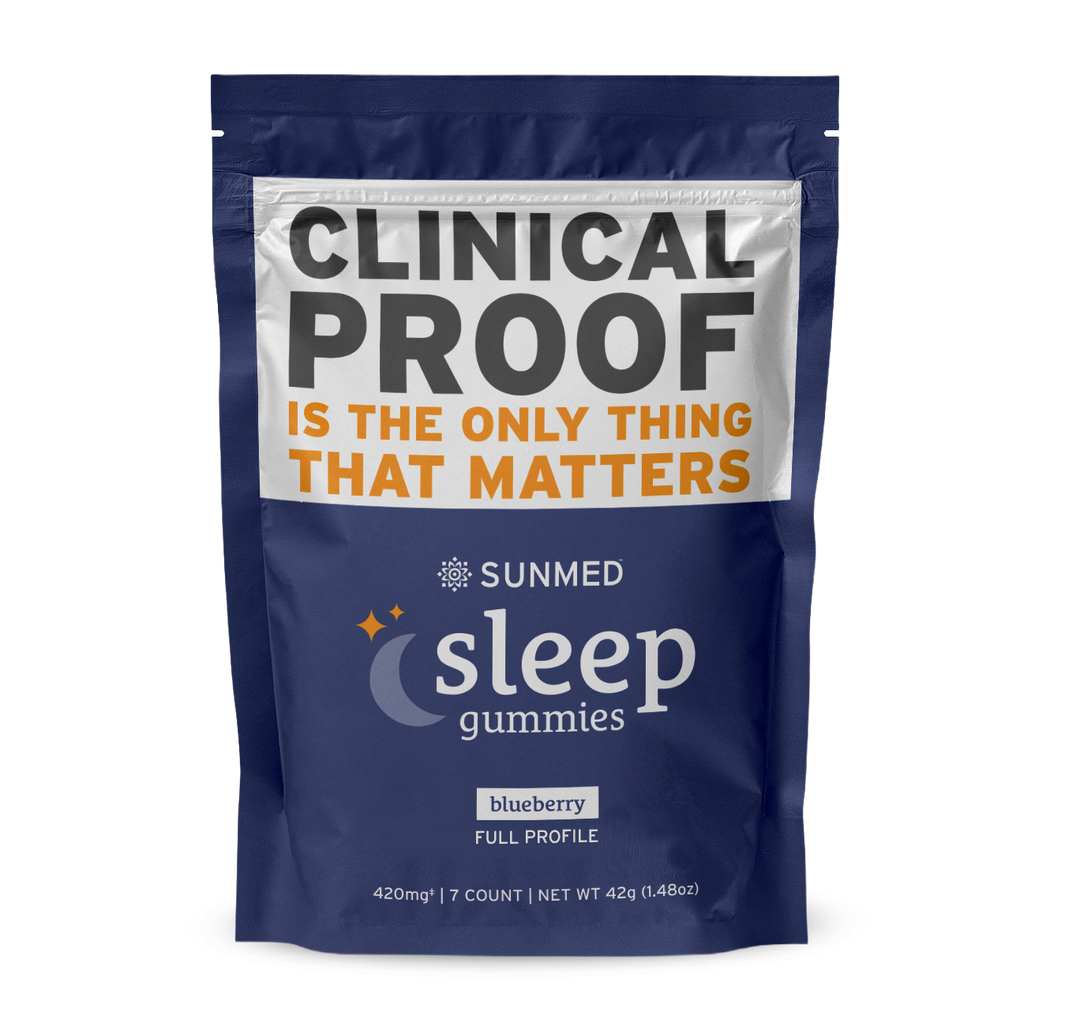
At Sunmed, our Sleep CBN gummies and tinctures pair hemp-derived CBD with CBN for deeper, more restorative sleep and have demonstrated clinically proven results in supporting healthy sleep patterns.
CBD and stress response
Studies suggest CBD may interact with serotonin receptors (particularly the 5-HT1A receptor), which play a significant role in mood regulation and the body's response to stress. By helping us respond to stressors and feel more relaxed, CBD can help limit the impact of stress on cognitive function.
Hemp extract formulas that combine full spectrum CBD with adaptogens like ashwagandha or rhodiola may offer additional layered support for emotional wellness and feelings of tension.
CBD and cognition
Early research suggests CBD may have neuroprotective properties tied to its antioxidant activity at the cellular level. While research is still emerging, the evidence positions hemp-derived CBD as a compelling wellness supplement for those looking to support whole-brain health.
What other supplements are worth exploring for cognitive support?
CBD isn't the only supplement gaining attention for cognitive support. Depending on your needs, these additions may complement your wellness routine. It’s always worth a conversation with your healthcare provider before adding anything new.
Lion's mane mushroom
One of the most talked-about functional mushrooms in the wellness space, Lion's Mane has been studied for its potential to support nerve growth factor production, a protein that plays a direct role in maintaining healthy neurological function and cognitive sharpness. It's a natural fit for anyone looking to support long-term brain health from multiple angles.
Omega-3 fatty acids
Omega-3s are essential building blocks for brain cell structure and communication. Studies consistently link adequate intake, particularly of DHA, to improved focus, memory, and processing speed. If your diet is low in fatty fish or flaxseed, a high-quality omega-3 supplement may be worth considering.
Magnesium glycinate
Magnesium is involved in hundreds of biochemical reactions in the body, including those that regulate the nervous system and support restful sleep. The glycinate form is particularly well tolerated and is commonly recommended for those dealing with sleep disturbances or feelings of tension that may be contributing to brain fog.
B-complex vitamins
B vitamins, especially B12 and B6, are critical for energy metabolism and neurological health. Low B12 in particular is closely associated with cognitive sluggishness and mental fatigue, making it one of the first things worth checking if brain fog is a recurring issue.
Ashwagandha
This well-researched adaptogen has been shown to support the body's response to stress and promote emotional wellness over time. For those whose brain fog stems from chronic tension, ashwagandha can be a meaningful addition to a broader daily supplement routine.
When to See Your Doctor
While lifestyle adjustments and wellness supplements can support cognitive clarity for many people, if you’re experiencing brain fog that is persistent, worsening, or accompanied by other symptoms like extreme fatigue, mood changes, or physical discomfort, it is worth professional attention.
Your doctor can help rule out underlying conditions, check for nutritional deficiencies, and guide you toward the right path forward.
The bottom line
We believe that feeling clear, grounded, and mentally sharp is something everyone deserves, and that the path to getting there looks a little different for each person. That's why at Sunmed , we're committed to educating our community about the tools available to them, from foundational lifestyle habits to the science behind the hemp plant.
Our hemp-derived CBD products are formulated with real science, premium ingredients, and your whole-body wellness in mind. Whether you're exploring our broad spectrum hemp extract tinctures or our clinically-supported Sleep CBN Gummies, we're here to help you find what works for your body and your life with transparency, honesty, and care every step of the way.
FAQs
Can CBD help with brain fog?
Hemp-derived CBD may help support the body's Endocannabinoid System, which plays a role in regulating sleep, mood, and stress response, all of which are commonly linked to brain fog. While CBD is not a treatment for any condition, many people incorporate it into their wellness routines as a daily supplement to support overall balance and mental clarity.
What vitamin deficiency causes brain fog?
Several nutritional gaps are associated with cognitive sluggishness, including low levels of B12, vitamin D, omega-3 fatty acids, and magnesium. If you suspect a deficiency is contributing to your brain fog, a simple blood panel from your doctor can help identify what your body may be missing.
How long does brain fog last?
Brain fog duration varies widely depending on its cause. Fog related to a poor night's sleep or acute stress may resolve within a day or two, while fog tied to hormonal changes, nutritional deficiencies, or chronic stress can persist until those underlying factors are addressed. If brain fog is ongoing or worsening, it's worth speaking with a healthcare professional.
Is brain fog a sign of something serious?
In many cases, brain fog is tied to manageable lifestyle factors like sleep disturbances, dehydration, or feelings of tension. However, persistent or severe brain fog, especially when accompanied by other symptoms, can sometimes indicate an underlying health condition like thyroid dysfunction, anemia, or an autoimmune disorder. When in doubt, check in with your doctor.
These statements have not been evaluated by the Food & Drug Administration. This product is not intended to diagnose, treat, cure, or prevent any disease.
Sources:
Brain Fog: What It Is, Causes, Symptoms & Treatment | Cleveland Clinic
Effects of chronic stress on cognitive function – From neurobiology to intervention | ScienceDirect
Nutrition and cognitive health: A life course approach |PMC
The endocannabinoid system: Essential and mysterious | Harvard Health
Effects of Cannabinoids on Sleep and their Therapeutic Potential for Sleep Disorders | PMC