













Why Do I Wake Up in the Middle of the Night?
Why do I wake up in the middle of the night? Learn common causes of nighttime wake-ups and simple ways to support sleep.

Key Takeaways:
-
Waking up briefly during the night can be a normal part of your sleep cycle, but frequent or prolonged wake-ups may point to something worth addressing.
-
Common culprits of nighttime wake-ups include stress, blood sugar shifts, room temperature, hormonal changes, and evening habits like screen time or alcohol
-
Small adjustments to your routine may help support deeper, more restorative sleep.
It's 3 a.m., your eyes snap open, and just like that, your mind is suddenly running through tomorrow's to-do list. Sound familiar?
If you've found yourself staring at the ceiling in the middle of the night more often than you'd like, you're in good company. Waking up in the middle of the night is one of the most common sleep complaints out there, and it can leave you feeling like you’re dragging through the next day.
The good news is that there are identifiable reasons why this happens, and plenty of steps you can take to support better sleep quality.
Is waking up in the middle of the night normal?
Interestingly, waking up briefly during the night can actually be completely normal. Your body moves through several sleep cycles each night, shifting between lighter stages, deeper stages, and REM sleep (which is the stage where most dreaming happens). Between these different sleep cycles, it's natural for your brain to surface into a lighter state of awareness.
Most of the time, you’ll drift right back to sleep without even remembering it happened, but when those wake-ups become frequent or start interfering with how rested you feel the next day, that’s when it’s a problem.
What causes you to wake up in the middle of the night?
If you’re waking up throughout the night, there’s often a combination of factors working together. Here are some of the most common ones.
Stress
If your days are packed and your mental load is heavy, your brain might not always get the memo that it's time to shut down when you head to bed. Lingering feelings of tension can keep your nervous system on high alert , making you more likely to pop awake during lighter sleep stages.
Blood sugar fluctuations
What you eat (and when you eat it) also plays a bigger role in your sleep than most people realize. Eating a heavy meal too close to bedtime, for example, can disrupt your digestion and wake you up, while going to bed hungry can cause blood sugar to dip overnight and signal your body to wake up for fuel. Finding a balance in your evening meal or snack timing can make a real difference in your sleep.
Temperature and environment
Your sleep environment matters, too. A room that's too warm, too cold, too bright, or too noisy can nudge you out of deeper sleep stages. Even small things like sheets that aren’t breathable enough or a streetlight peeking through the blinds can disrupt your rest.
Hormonal shifts
Hormones are also major players in the sleep game. Cortisol, your body's main stress hormone, naturally rises in the early morning hours to help wake you up. However, if it spikes too early, you might find yourself feeling wide awake at 4 a.m.
For many women, perimenopause and menopause bring their own set of hormonal shifts that can contribute to nighttime wake-ups, night sweats, and overall poor sleep quality.
Caffeine and alcohol
Caffeine can stay in your system for six to eight hours, meaning an afternoon latte might still be working its way through your system at bedtime. Alcohol is another common disruptor — while it might make you feel drowsy at first, it can actually interfere with your sleep later in the night, leading to wake-ups in the early morning hours.
Age-related sleep changes
Sleep naturally evolves as we get older , and deeper sleep stages tend to become shorter while lighter stages become more common. This means that small disturbances might be more likely to wake you.
How to stay asleep through the night
When it comes to shifting your routine to help support better sleep, a few small, steady changes tend to work better than big overhauls.
Build a consistent wind-down routine
Your body thrives on rhythm, so going to bed and waking up at roughly the same time every day plays a huge role in regulating your internal clock. In the hour before bedtime, dim your lights and put your phone down to help your body get ready for sleep. A warm shower, a chapter of a book, or a few minutes of quiet can all signal to your system that it's time to wind down and rest.
Create a sleep-friendly environment
Keep your bedroom cool, dark, and quiet. Most sleep experts recommend keeping the temperature somewhere between 65 and 68 degrees Fahrenheit. If you can, reserve your bed for sleep only so that your brain starts to associate it with rest rather than work or doomscrolling.
Watch what you eat and drink
Try to wrap up heavy meals at least two to three hours before bed, and aim to cut off your caffeine intake by early afternoon. If you tend to wake up hungry, a small, balanced snack before bed like a handful of almonds or a piece of whole-grain toast can help keep blood sugar steady.
Move your body during the day
Even if it’s just a short walk or a little bit of gardening, regular movement is one of the best ways to support deeper sleep . Just try to avoid intense workouts in the hour or two before bed, as they can actually amp up your nervous system and have the opposite effect than intended.
Calm the mind before bed
Try a few practices to help calm your mind before crawling into bed. Journaling your thoughts or practicing breathing exercises , for example, can help soothe your mind and ease you into a more relaxed state.
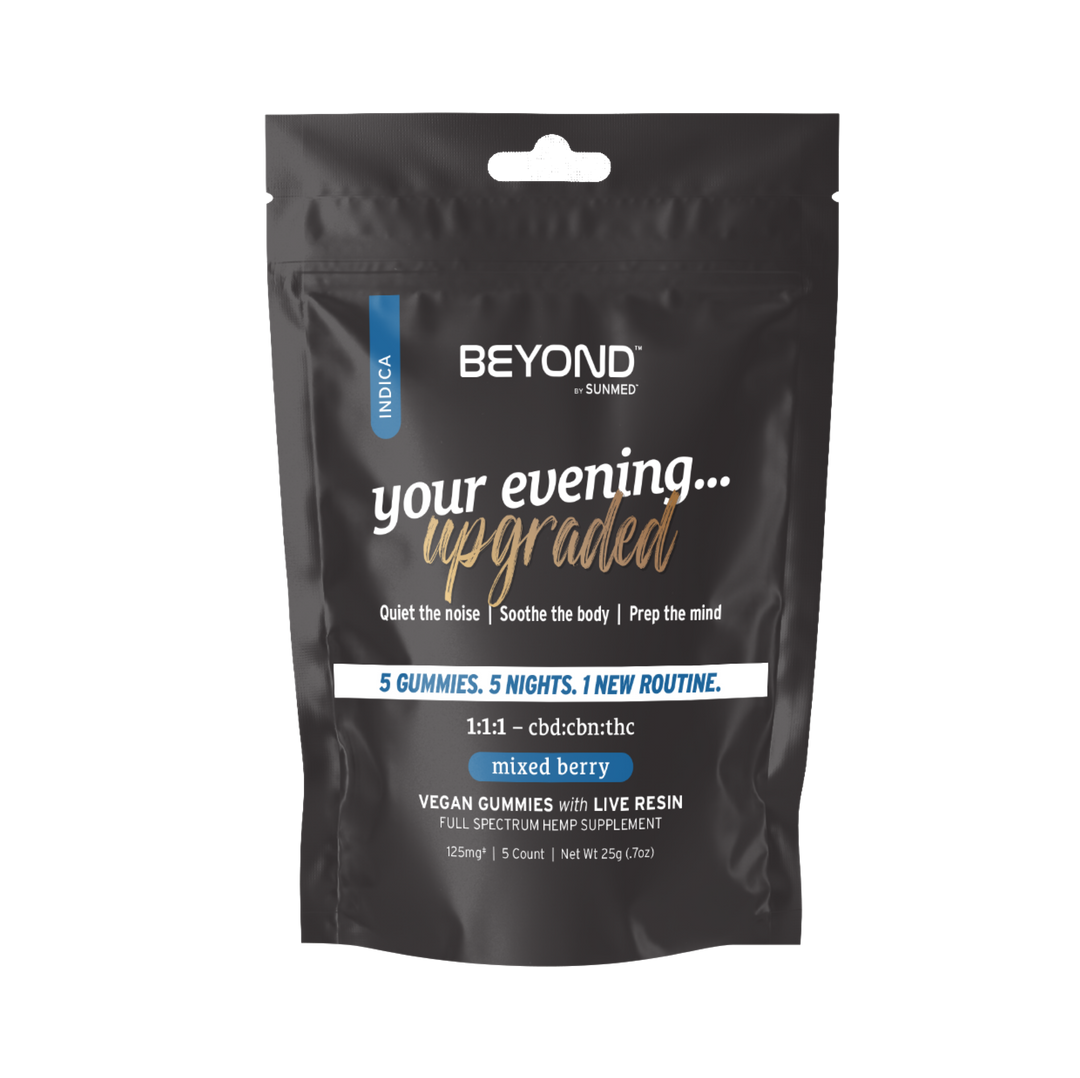
Try CBD or CBN
If you’re consistently struggling to get those restful Zzzs, hemp-derived wellness supplements like CBD and CBN may help.*
CBD (cannabidiol) interacts with your body's endocannabinoid system, or ECS, which is a network of receptors that helps regulate things like mood, stress response, and sleep-wake cycles. By supporting the ECS, CBD may help calm your mind and support an overall healthy stress response, making it easier to settle in at night and stay asleep.*
CBN (cannabinol) is another cannabinoid that can work with the ECS. It’s known for its soothing effects and may help support sleep quality.*
When you pair CBD and CBN, like in our Full Spectrum Sleep Gummies , these compounds work synergistically thanks to what’s known as the entourage effect.*
When to consult your doctor about sleeping troubles
If your nighttime wake-ups are getting in the way of your daily life or showing up alongside other symptoms like mood changes or loud snoring, it's worth having a conversation with your doctor. A healthcare provider can help you look at the bigger picture and rule out anything that needs more targeted attention.
The bottom line
We know how much a good night's sleep matters for your overall wellness, mood, and quality of life. That's why, at Sunmed , we carefully formulate our third-party-tested, hemp-derived wellness products with real science.
From simple gummies to long-lasting tinctures, we have a range of we’re here to help you get the rest you deserve.
*This statement has not been evaluated by the Food & Drug Administration. This product is not intended to diagnose, treat, cure, or prevent any disease.
FAQ
Why do I keep waking up at 3 a.m. specifically?
The 3 a.m. wake-up usually comes down to a mix of cortisol rhythms, blood sugar dips, and lighter sleep stages in the second half of the night. Stress and lingering feelings of tension can make these natural shifts more noticeable.
Can CBD help me stay asleep through the night?
CBD may support sleep quality by interacting with the Endocannabinoid System, which helps regulate stress response and sleep-wake cycles.* Many people find that pairing CBD with CBN offers more comprehensive support for both falling asleep and staying asleep.*
How much sleep do I actually need?
Most adults do best with seven to nine hours of sleep per night, though the sweet spot varies from person to person. Quality matters just as much as quantity: uninterrupted, restorative sleep leaves you feeling far more refreshed than fragmented sleep.
Sources:
Why Do I Keep Waking Up at Night? | Sleep Foundation