












Why Am I So Tired All the Time?
Why am I so tired? Read on to learn common causes of fatigue, tips to improve sleep quality, and how CBD may support better res

Key Takeaways:
-
Feeling tired all the time is often linked to sleep quality, stress levels, and daily habits, not just how many hours you sleep
-
Consistent routines, a calming nighttime environment, and balanced wellness habits can help support better energy
-
CBD may help promote relaxation and a healthy sleep cycle by working with the endocannabinoid system.
Feeling tired all the time can take a toll on your day. Even after what seems like a full night of sleep, you might still wake up feeling low on energy, unfocused, or just not fully refreshed. It’s a common experience, and it doesn’t always have a simple explanation.
Fatigue can be influenced by several factors, including sleep quality, stress, lifestyle habits, and how well your body maintains internal balance. Systems like the endocannabinoid system play a role in regulating things like mood, sleep, and overall wellness, which can all impact how energized you feel.
Understanding what might be behind your constant tiredness is the first step toward feeling more like yourself again. Let’s get into it.
What to know about persistent tiredness
Everyone feels tired from time to time, especially after a long day or a poor night of sleep. But when that feeling sticks around day after day, it can start to affect your ability to focus, stay motivated, and keep up with daily routines.
Persistent tiredness can show up mentally, like brain fog or difficulty concentrating, or physically, where your body feels heavy and low on energy. Some people experience both at once, which can make even simple tasks feel more challenging than usual.
When tiredness becomes a constant, it’s often a sign that something in your routine or overall wellness may need attention.
What can cause consistent tiredness?
Understanding the root cause of your tiredness can help you address it.
Poor sleep quality
Getting enough hours of sleep is important, but sleep quality matters just as much. You might spend seven or eight hours in bed, but if your sleep is interrupted or not deeply restorative, you may still wake up feeling tired.
Things like inconsistent sleep schedules, stress, noise and light exposure, or an uncomfortable sleep environment can all affect how well you rest.
High stress and mental overload
Ongoing stress can make it harder to relax , especially at night. If your mind stays active when you’re trying to wind down, it can delay sleep or lead to restless nights.
Stress can also affect how refreshed you feel in the morning, even if you technically got enough sleep.
Not getting the right nutrients
What you eat directly affects how your body produces and uses energy. Your cells rely on nutrients like iron, B vitamins, and magnesium to support processes that convert food into usable energy.
When your body doesn’t get enough of these nutrients, energy production can slow down. This may leave you feeling sluggish, mentally foggy, or low on stamina throughout the day. Meals high in added sugars or low in protein and fiber can lead to quick spikes and crashes, which may contribute to mid-day tiredness.
Staying hydrated is just as important. Even mild dehydration can affect circulation and reduce the delivery of oxygen and nutrients to your cells, which may impact energy levels.
Not moving enough
It may seem counterintuitive, but not moving your body enough can actually make you feel more tired. Regular movement supports healthy circulation, allowing oxygen and nutrients to reach your muscles and brain more efficiently.
Physical activity also plays a role in supporting mitochondrial function. Mitochondria are responsible for producing energy within your cells, and consistent movement can help them work more efficiently over time.
In contrast, long periods of sitting or inactivity can slow circulation and reduce overall energy output. This can lead to feelings of sluggishness and make it harder to feel alert and focused during the day.
Sleep disruptions
Waking up frequently during the night or having trouble falling asleep can prevent your body from reaching the deeper stages of rest it needs.
Over time, these disruptions can accumulate, leading to ongoing feelings of tiredness and reduced daytime alertness.
Underlying health or wellness factors
Sometimes, persistent tiredness may be linked to underlying factors such as hormonal changes, nutrient imbalances, or other health concerns. If tiredness persists despite improving your habits, it may be worth discussing these possibilities with a healthcare professional.
How to improve sleep quality naturally
Small changes to your nighttime routine can create a healthier sleep environment and promote better sleep quality.
Build a consistent sleep routine
Going to bed and waking up at the same time each day helps regulate your internal clock. Over time, this consistency can make it easier to fall asleep and wake up feeling more refreshed.
Create a calming nighttime environment
Your sleep space should feel comfortable and relaxing. Lowering the lights, reducing noise, and keeping your room cool can support deeper, more restorative sleep.
Limit stimulants and screen time
Caffeine and late-night screen use can interfere with your body’s natural wind-down process. Blue light exposure may affect melatonin production, which plays a key role in sleep readiness.
Support relaxation before bed
Simple habits like reading, stretching, or quiet time can help signal to your body that it’s time to rest. Creating a wind-down routine can make it easier to transition into sleep.
Focus on daily wellness habits
Balanced meals, hydration, and regular movement all support better sleep. When your body feels supported during the day, it’s easier to rest at night.
How can CBD support better sleep quality?
CBD is a plant-derived cannabinoid found within hemp and cannabis plants. It can work with the body’s endocannabinoid system , which helps regulate functions like sleep, mood, and stress response.*
By supporting balance within this system, CBD may help promote a sense of calm and relaxation. Many people use CBD as part of their nighttime routine to help ease feelings of tension and support a more restful state before bed.*
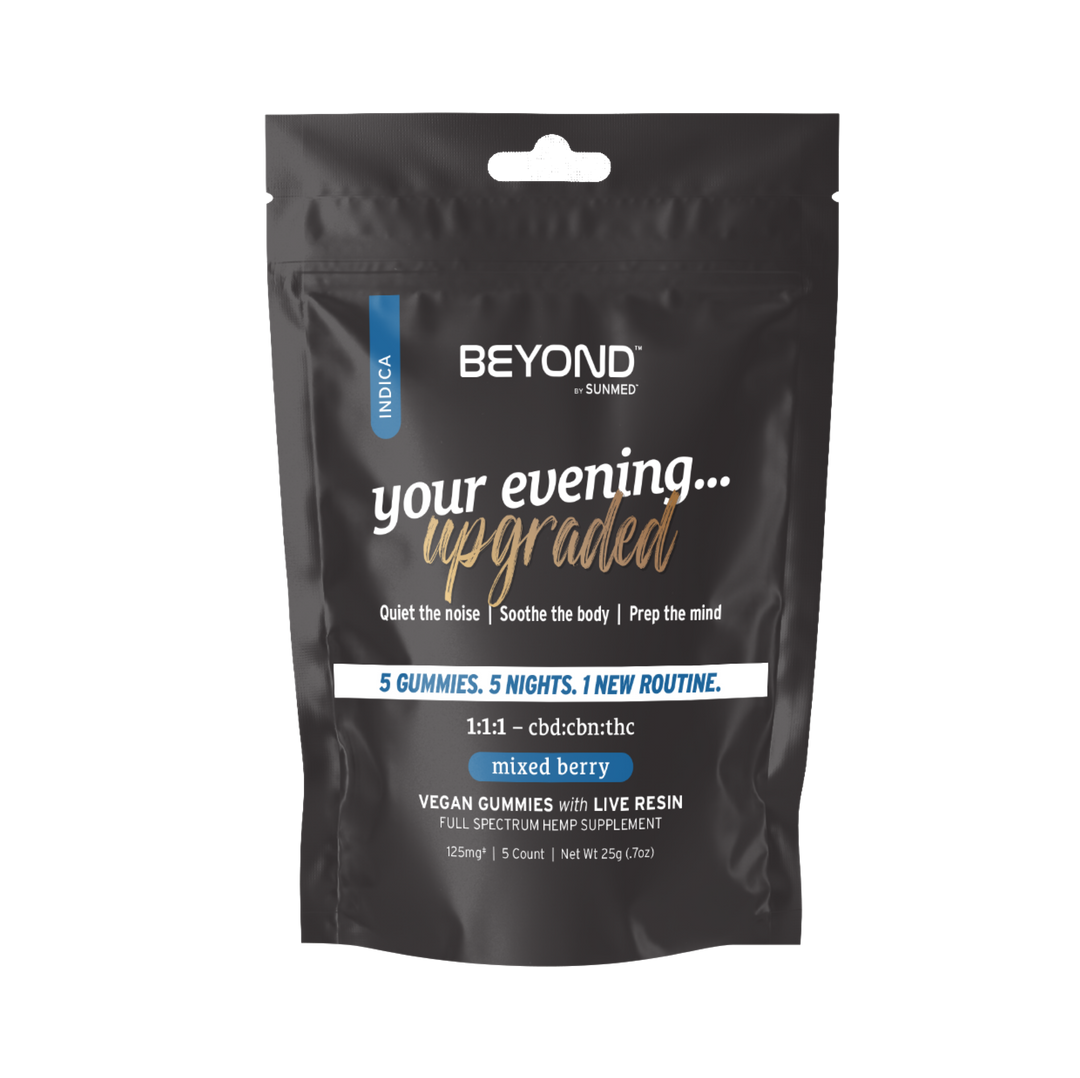
CBD products come in a variety of formats, making it easy to find an option that fits your lifestyle. Formulas that include CBN , another cannabinoid associated with sleep support, are another great option for promoting healthy sleep quality. Starting with a consistent serving size and incorporating it into your bedtime routine can help encourage more predictable results over time, so you can wake up feeling more refreshed and energized.
When should you see a doctor for consistent tiredness?
If you’re feeling tired all the time despite making changes to your sleep and daily habits, it may be time to seek additional support.
Ongoing tiredness that lasts for weeks, interferes with your daily routine, or is paired with other unusual symptoms should be evaluated by a healthcare professional. Getting guidance can help identify any underlying factors and provide clarity on your next steps.
The bottom line
Better sleep starts with understanding what your body needs. Here at Sunmed , we believe that supporting your wellness should feel simple, approachable, and grounded in real science.
Small, consistent changes, like staying hydrated and limiting screen time before bed, can make a meaningful difference over time. Adding a high-quality CBD product to your evening routine may help support a calmer mindset and more restful sleep, so you can wake up feeling more like yourself.
*This statement has not been evaluated by the Food & Drug Administration. This product is not intended to diagnose, treat, cure, or prevent any disease.
FAQs
Why am I so tired all the time, even after sleeping?
This often comes down to sleep quality rather than quantity. Interrupted sleep, stress, or poor sleep habits can prevent your body from fully restoring itself overnight.
What are common causes of constant tiredness?
Common causes include poor sleep quality, high stress levels, lack of movement, and not getting the right nutrients. In some cases, underlying wellness factors may also play a role.
How can I improve sleep quality naturally?
Focus on consistent sleep routines, limiting screen time before bed, and creating a relaxing nighttime environment. Daily habits like nutrition and movement also make a difference.
Can CBD help with sleep quality?
CBD may help support relaxation and a calm state of mind, which can make it easier to wind down at night. It works with the body’s Endocannabinoid System to support overall balance.
Sources:
Fatigue: Causes & Treatment | Cleveland Clinic
How To Determine Poor Sleep Quality | Sleep Foundation
Active and sedentary behaviors influence feelings of energy and fatigue in women | PubMed
The endocannabinoid system: Essential and mysterious | Harvard Health