







What Is Stress Management? How To Deal With Stress
What is stress management? Discover science-backed strategies and how hemp-derived CBD may help support your body's natural stress response.

Key Takeaways:
- Stress management is a personalized, ongoing practice that works on physical, mental, and biochemical levels.
- Common stress triggers include work pressure, relationship dynamics, health concerns, and daily overwhelm, and identifying yours is the first step toward relief.
- Hemp-derived CBD may help support the body's natural stress response by interacting with the endocannabinoid system (ECS).
We all know what stress feels like. The tight shoulders, the racing mind, the sense that there's too much on your plate and not enough hours in the day. Stress has become one of the most common shared experiences of modern life. But just because stress is universal doesn't mean you have to simply live with it.
Stress management is the practice of recognizing your stressors and taking intentional steps to support your body and mind's ability to respond to them. From mindfulness and movement to sleep hygiene and hemp-derived wellness supplements like CBD, there are more options available today than ever before.
In this article, we're breaking down what stress actually is, what tends to cause it, and the most effective ways to manage it, including how CBD interacts with your body's own system .
What is stress?
Stress is your body's natural response to perceived threats or demands. When you encounter a stressor, whether it's a work deadline, a difficult conversation, or a sudden change in circumstances, your brain triggers a cascade of physiological reactions . Cortisol and adrenaline flood your system, your heart rate increases, and your body shifts into what's commonly known as fight-or-flight mode.
This response is actually a survival mechanism. In short bursts, it sharpens focus and boosts performance. The problem arises when stress becomes chronic. When your nervous system stays in a heightened state for extended periods, it can begin to wear on nearly every system in your body, from your sleep quality to your mood to your immune function.
There are two primary types of stress to understand:
- Acute stress is short-term and situational. It tends to resolve once the triggering event passes and typically doesn't cause lasting harm.
- Chronic stress is ongoing and persistent. It's the kind that builds quietly over weeks or months and can be harder to recognize because it starts to feel like your baseline.
Stress is biology, but chronic stress is a signal worth paying attention to.
What can cause stress?
Stress triggers are as individual as the people who experience them, but some themes appear consistently across the board.
- Work: Work and financial pressures rank among the most common. Tight deadlines, job uncertainty, managing a business, or navigating economic anxiety can keep your nervous system in a near-constant state of alert.
- Relationships: Relationships and family dynamics are another significant source. Whether it's conflict with a partner, the demands of caregiving, navigating a difficult family transition, or simply feeling stretched too thin across too many roles, interpersonal stress runs deep.
- Health: Health concerns carry a particular weight. Dealing with a personal diagnosis, managing a chronic condition, or worrying about the health of someone you love can create a sustained undercurrent of unease that's hard to shake.
- Life changes: Major life changes, even positive ones like retirement, a new job, or becoming an empty nester, require significant adjustment. Change, by its nature, is a stressor.
- General overwhelm: Daily overwhelm is the most underestimated category. Overpacked schedules, poor sleep quality, constant digital connectivity, and the pressure to stay on top of everything can accumulate into a steady, low-grade stress that chips away at your well-being over time.
The good news is that awareness is a powerful starting point. When you can identify what's driving your stress, you're already better positioned to address it.
What is stress management?
Stress management refers to the range of techniques, habits, and tools people use to regulate how their body and mind respond to stressors.
Effective stress management tends to work on multiple levels simultaneously. On a physical level, it might mean moving your body, improving your sleep, or supporting your nervous system with targeted wellness supplements. On a mental level, it could be reframing your thoughts, setting boundaries, or building a more intentional daily structure. On a biochemical level, it involves supporting the internal systems your body already uses to maintain balance.
What works beautifully for one person may not resonate at all with another. The most sustainable approach is one that fits your life, your needs, and your personality.
What are common ways to manage stress?
Here's a look at some of the most well-supported tools for stress management, the kind your body and mind will thank you for over the long haul.
Mindfulness and meditation
Meditation, mindfulness , and deep breathing are among the most researched approaches to stress relief. Even five to ten minutes of intentional breathwork or guided meditation can help calm the mind, lower cortisol levels , and bring your nervous system out of fight-or-flight mode.
Physical movement
Moving your body is one of the most effective natural ways to relieve tension. Exercise releases endorphins, helps regulate mood, and gives your body a healthy way to metabolize stress hormones . It doesn't have to be intense. A walk outside, a bike ride, or dancing around your room all count.
Prioritize sleep
A good night’s sleep truly does deserve more attention than it typically gets. Sleep and stress are bidirectionally related: stress contributes to sleep disturbances, and poor sleep quality makes coping harder. Protecting your sleep is one of the highest-leverage ways you can improve your overall stress response.
Nutrition and hydration
What fuels you throughout the day can influence your mood and resilience more than you may realize. Blood sugar instability, dehydration, and nutrient deficiencies can amplify feelings of tension and make it harder to regulate your emotions.
Meanwhile, foods rich in magnesium, like leafy greens, nuts, and seeds, may help support a healthy stress response, and omega-3 fatty acids (found in salmon and walnuts) are linked to emotional wellness and a calmer mood .
Personal connections
Social connection is protective. Talking through what you're dealing with, spending time with people who make you feel grounded, and leaning on your community can significantly buffer the impact of stress.
Journaling and creative outlets
Engaging in creative activities can give your mind an expressive outlet to work through stressors . Processing emotions through writing, art, or music can reduce their intensity, help you gain perspective, and make you feel more in control.
Professional support
Therapy, counseling, or wellness coaching can serve as a powerful tool in managing stress, and one that's worth normalizing. Sometimes the most effective thing you can do is talk to someone who's trained to help.
Hemp-derived CBD
CBD is an increasingly popular wellness supplement that works with one of your body's own built-in regulatory systems to help support a healthy stress response.
How can CBD help with stress management?
As a plant-derived cannabinoid, CBD can engage with the body’s endocannabinoid system , or ECS, which is a complex cell-signaling network found in all mammals. The ECS plays a central role in maintaining homeostasis, which is your body's ability to keep its internal environment balanced and stable. With the help of endocannabinoids and cannabinoid receptors throughout the brain and body, the ECS helps regulate a wide range of functions, including mood, sleep, appetite, immune response, and yes, your stress response.
The ECS operates through three core components: endocannabinoids (naturally occurring compounds your body produces), receptors (primarily CB1 receptors in the brain and nervous system, and CB2 receptors in immune tissues and throughout the body), and enzymes that break down endocannabinoids once they've done their job.
When you experience stress, the ECS is one of the systems your body activates to help restore balance. Because CBD is a type of cannabinoid, research suggests it can work with the body’s own endocannabinoids and receptors, subtly supporting the ECS in promoting balance and calm without producing intoxicating effects.
What are the best ways to use CBD for stress?
If you're curious about incorporating CBD into your stress management routine, here are some options to consider.
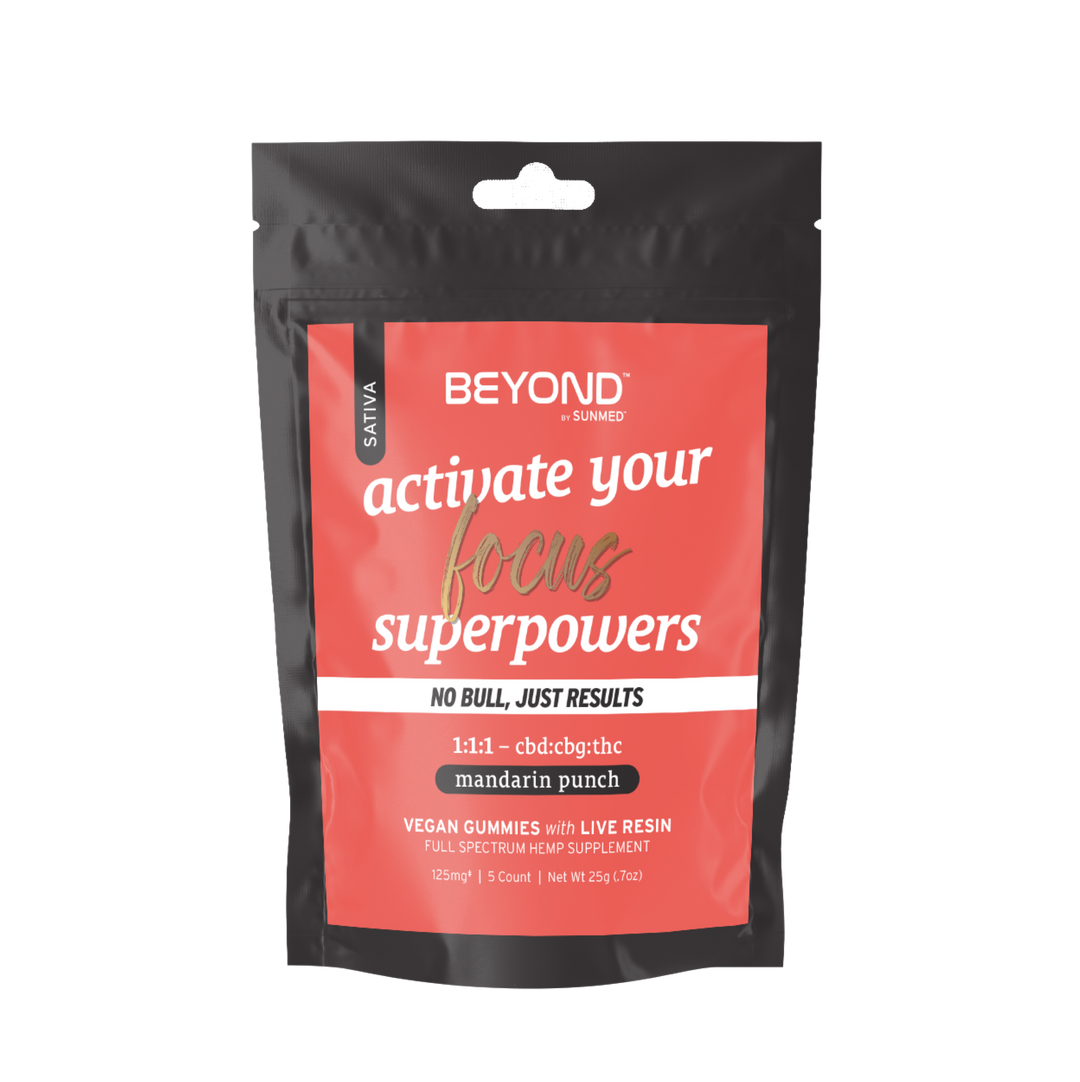
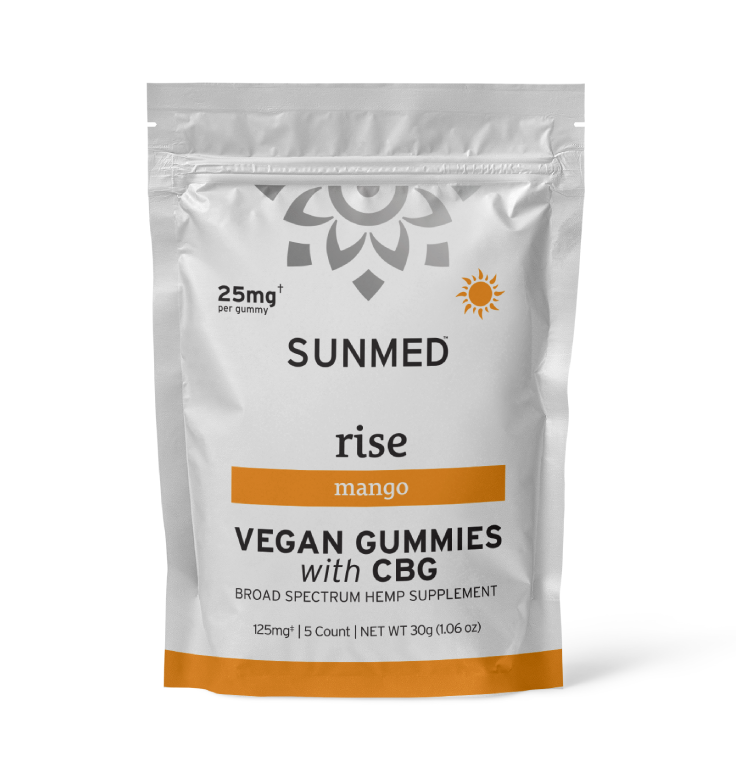
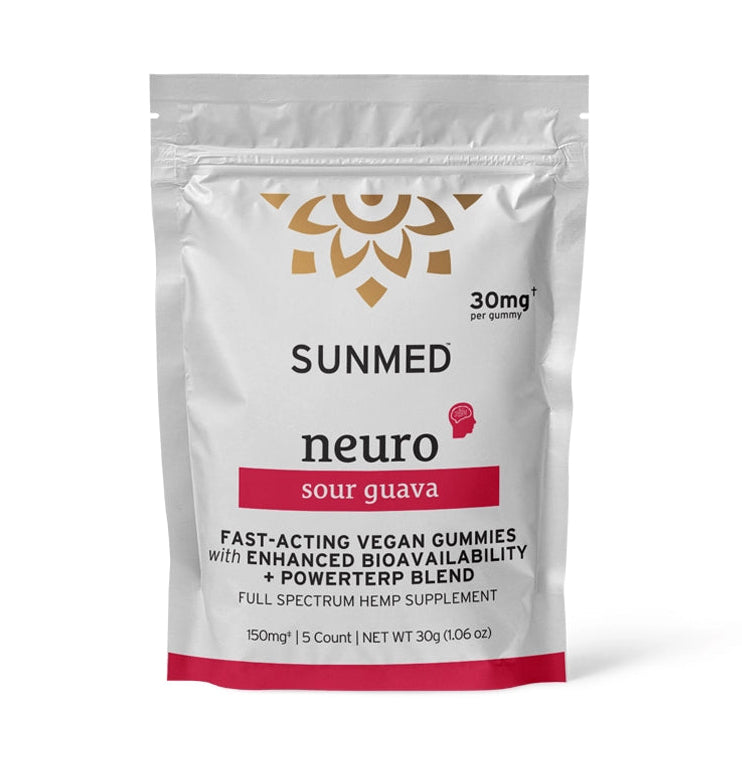
CBD gummies are one of the most popular and accessible options. They offer a pre-measured serving size, taste great, and fit easily into a daily routine. They're a natural starting point for anyone new to CBD.
CBD oils and tinctures are absorbed sublingually (under the tongue) and tend to work relatively quickly. They also make it easy to adjust your serving size gradually as you learn how your body responds.
Consistency is key. CBD tends to be most effective when taken as part of a daily routine rather than only in moments of acute stress. Think of it the way you might think about a daily vitamin.
Look for hemp-derived products that are third-party tested and come with a Certificate of Analysis (COA) you can actually read. Starting with a smaller serving size and gradually increasing it is always a smart approach.
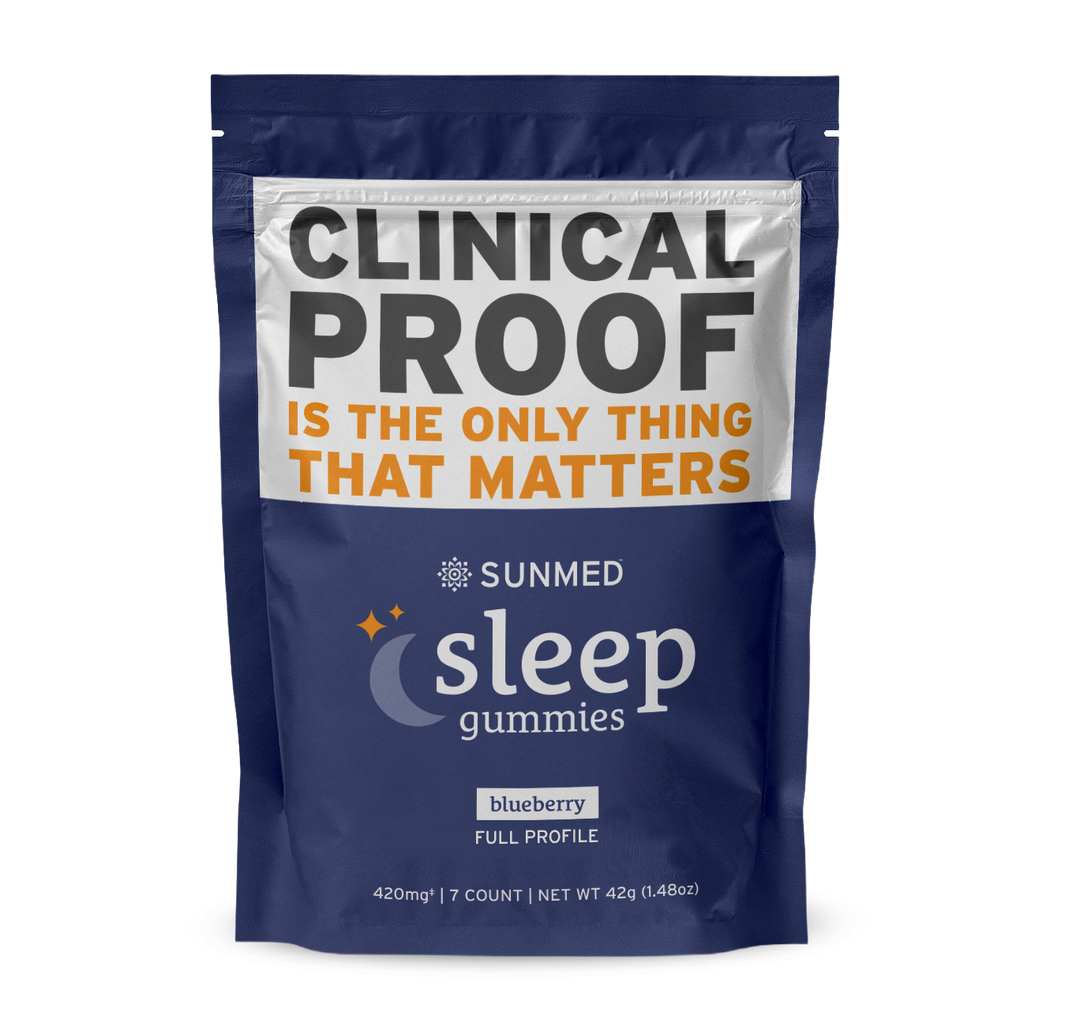
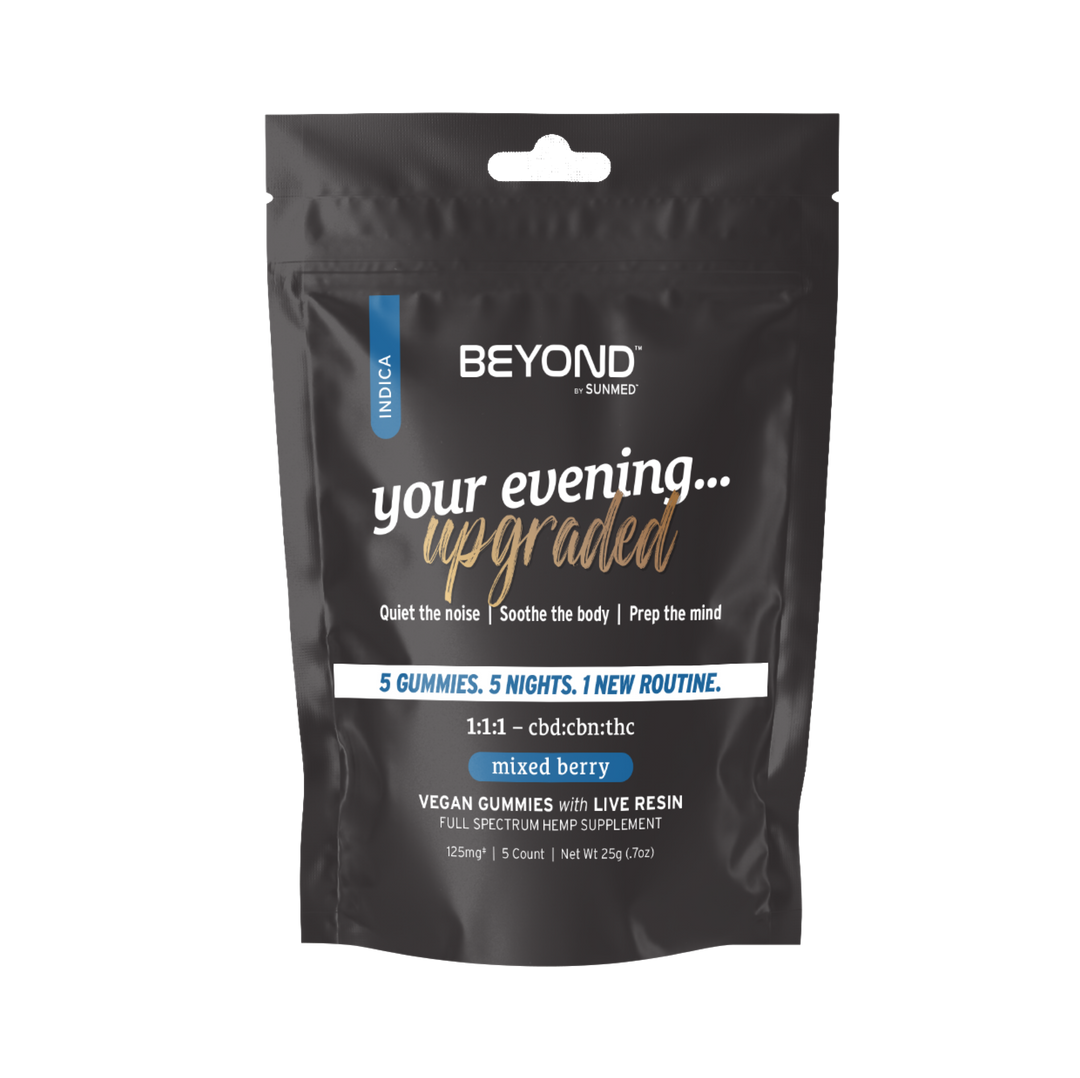
When it comes to timing, morning CBD may help support a calmer, more grounded start to the day, while an evening serving can be a helpful part of a wind-down routine, especially if stress is affecting your sleep quality. As with any new wellness supplement, it's always a good idea to check in with your healthcare provider before getting started.
The bottom line
At Sunmed , we believe that managing stress starts with understanding your body and giving it the right support. We know that no two wellness journeys look the same, which is why we're committed to offering a range of hemp-derived products designed to meet you wherever you are.
Whether you're exploring CBD for the first time or looking to build a more intentional daily routine, we're here to educate, support, and walk alongside you every step of the way.
FAQs
What is the best way to manage stress naturally?
The most effective natural stress management approaches tend to combine lifestyle habits like regular movement, quality sleep, and mindfulness with targeted wellness support. Hemp-derived CBD can help support the body's natural stress response. The best approaches are the ones you can sustain consistently.
Can CBD help with feelings of tension and emotional wellness?
CBD may help support emotional wellness and ease feelings of tension by interacting with the body's ECS, which helps regulate mood and the stress response. It's best understood as a complementary wellness supplement rather than a standalone solution, and results can vary from person to person.
What is the difference between full spectrum and broad spectrum CBD for stress?
Full spectrum hemp extract contains CBD along with other naturally occurring cannabinoids and terpenes from the hemp plant, including trace amounts of hemp-derived THC (within the federally legal limit of 0.3%). Broad spectrum contains those same supporting compounds without the THC. Many people exploring CBD for stress support are drawn to full spectrum products for the potential added benefit of the entourage effect.
How long does it take for CBD to work for stress?
CBD typically works best when taken consistently over time. Some people notice a difference within the first few days, while others find it takes a few weeks of regular use to experience the full benefit. Starting with a consistent daily serving size and giving your body time to adjust is the recommended approach.
This statement has not been evaluated by the Food & Drug Administration. This product is not intended to diagnose, treat, cure, or prevent any disease.
Sources:
Exercise and stress: Get moving to manage stress | Mayo Clinic
Being Creative Makes You Happier: The Positive Effect of Creativity on Subjective Well-Being | PMC
Enhancing Endocannabinoid Control of Stress with Cannabidiol | PMC