







Valerian Root for Sleep: Does It Help?
Discover how valerian root supports restful sleep, what the science says, and how it pairs with CBN and CBD for natural nighttime wellness.

Key Takeaways:
-
Valerian root has been used for centuries to support relaxation and may help reduce the time it takes to fall asleep
-
Its primary mechanism involves supporting GABA activity in the brain, the neurotransmitter most responsible for calming an overactive mind
-
When paired with complementary botanicals like lavender and cannabinoids like CBN, valerian root may be part of a well-rounded nighttime wellness routine
Sleep disturbances are incredibly common. Whether you have a long to-do list that keeps you feeling wired late into the night or you just can’t get your brain to shut down, a few tips can make a difference — and valerian just might be one of them.
If you’re searching for more natural ways to encourage better rest, valerian root has been used for centuries, and a growing body of research explores its potential to support restful nights. But does it actually work, and how does it fit into a modern, holistic approach to sleep wellness? Here’s what to know.
What is valerian root?
Valerian root comes from Valeriana officinalis, a flowering plant native to Europe and parts of Asia that has since spread across North America. The plant's roots and rhizomes are the parts used medicinally, and its history goes back a long way . Ancient Greek and Roman physicians recommended it for everything from nervousness to poor sleep quality, and it remained a popular botanical remedy well into the Middle Ages.
Today, you can find valerian products in the form of teas, capsules, and tinctures, making it one of the more versatile plant-based supplements available.
How does valerian root work?
Research suggests that valerian root works primarily by supporting GABA activity in the brain. GABA, or gamma-aminobutyric acid, is your nervous system's main calming neurotransmitter. When GABA levels are balanced and functioning well, the brain has an easier time quieting down, which is exactly what you need when you are trying to fall asleep.
So, what role does valerian root play? The root contains a compound called valerenic acid, which is believed to inhibit GABA breakdown , allowing more GABA to remain active in the brain. Some research also suggests that valerian root may interact with serotonin and adenosine receptors , two other players in the brain's regulation of mood and sleep cycles.
Think of it this way: your body already has built-in systems designed to help you wind down and rest. Valerian root may simply support those systems in doing what they are already trying to do.
What does the research say?
The research on valerian root and sleep is genuinely promising, though large-scale clinical trials remain to be conducted.
Several studies have found that valerian root supplementation may help reduce the time it takes to fall asleep, also known as sleep latency. Other research indicates improvements in overall sleep quality and fewer nighttime disturbances among people who take it consistently for several weeks.
A review published in the American Journal of Medicine examined multiple randomized, controlled trials and found that valerian root may improve sleep quality without causing side effects, a meaningful distinction for people who are wary of the grogginess or dependency concerns that can come with other sleep aids.
It is worth noting that not every study shows dramatic results, and individual responses to valerian root can vary. Some people notice a difference right away. For others, it takes a few weeks of consistent use before any shift becomes noticeable. The science is encouraging, but as with most wellness supplements, it is not a one-size-fits-all picture.
Can you take valerian root with CBD?
One of the more exciting developments in sleep wellness is the growing interest in combining plant-based compounds to create a more well-rounded approach. The idea is that certain botanicals and cannabinoids may complement each other to support deeper, more consistent rest.
CBD interacts with the body's endocannabinoid system (or ECS) , a regulatory network that plays a role in everything from mood and stress response to sleep and recovery. When the ECS is well-supported, many people report feeling more balanced, which can have a positive downstream effect on how easily they fall and stay asleep.
CBN, or cannabinol, is another hemp-derived cannabinoid that has gained significant attention for its potential role in nighttime wellness. Unlike CBD, CBN is more specifically associated with sleep support and is increasingly showing up in products formulated for evening use.
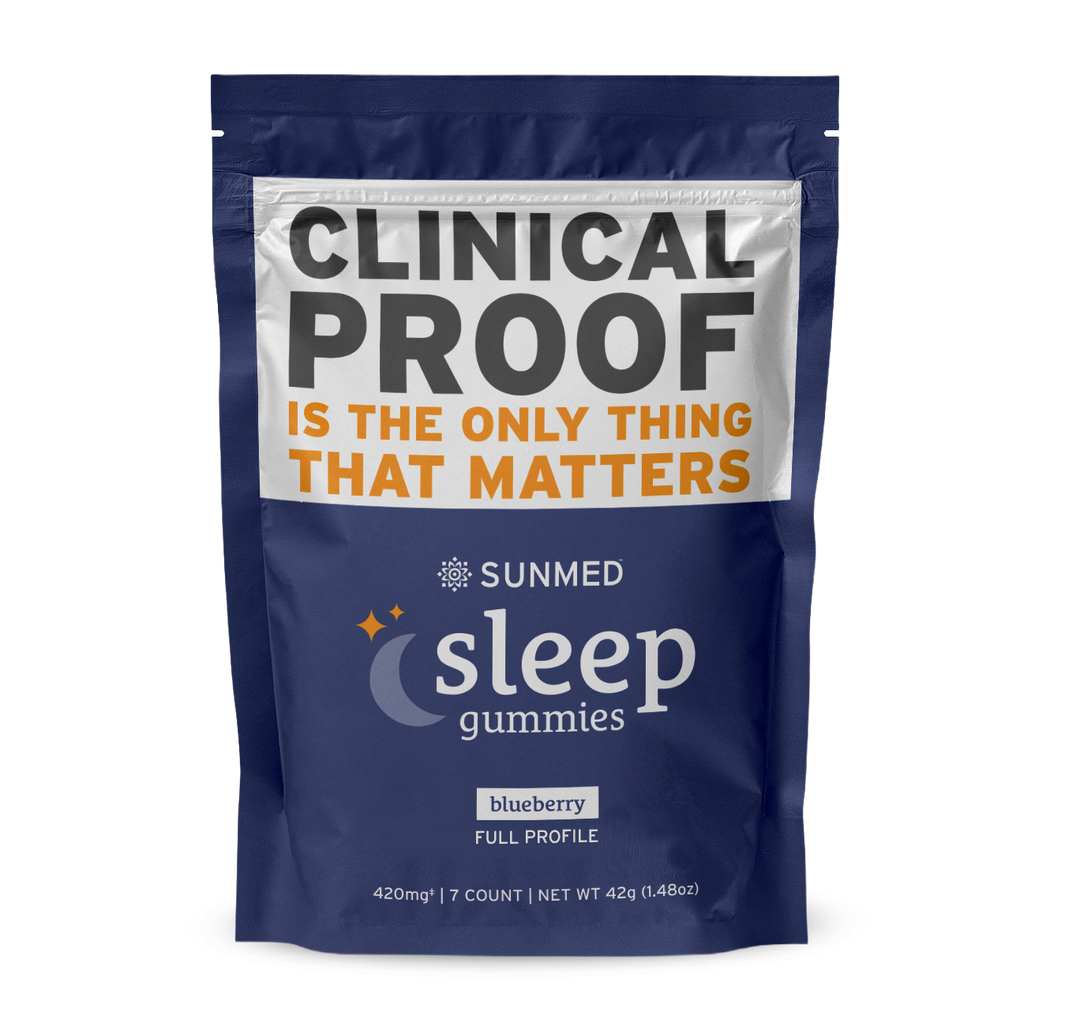
At Sunmed, our CBN Sleep Tincture brings several of these elements together in one thoughtfully crafted formula. It contains CBN alongside CBD, and it is blended with both lavender and valerian root, two botanicals with well-documented calming properties. Lavender has been studied for its ability to support relaxation and ease feelings of tension, and its inclusion alongside valerian root makes this tincture a genuinely layered approach to nighttime wellness.
If you are already curious about valerian root, a formula that pairs it with CBN, CBD, and lavender is a natural next step worth exploring.
How to use valerian root
If you are considering adding valerian root to your nighttime routine, here are a few practical tips to keep in mind.
Most people find it helpful to take valerian root 30 to 60 minutes before bed. This gives it time to begin supporting GABA activity in the brain before you actually try to fall asleep. It is available in capsules, teas, and tinctures, so the format really comes down to personal preference.
Consistency tends to matter with valerian root. Many studies showing positive results involved participants taking it nightly for two to four weeks, so do not be discouraged if you do not notice a dramatic shift on night one.
Pairing valerian root with good sleep hygiene habits can also make a meaningful difference. A consistent sleep and wake schedule, limiting screen time in the hour before bed, keeping your room cool and dark, and building a wind-down ritual that signals to your body that rest is coming, all of these things work together. Supplements support the process, but the environment and habits you build around sleep matter just as much.
Is valerian root safe?
For most healthy adults, valerian root is well tolerated and generally safe for short- to medium-term use. Some people report mild side effects, such as next-morning drowsiness, vivid dreams, or mild digestive discomfort, though these are not universal experiences.
As with any wellness supplement, it is a good idea to check in with your healthcare provider before adding valerian root to your routine, particularly if you are pregnant, nursing, or currently taking any medications that affect the central nervous system.
The bottom line
Sleep matters deeply, and if you have been struggling to get enough of it, know that the instinct to look for natural, thoughtful support is a valid one. Valerian root has earned its place in the conversation around sleep wellness, backed by centuries of use and a growing body of research exploring its potential.
At Sunmed , we believe sleep wellness means building a routine that feels sustainable, understanding the ingredients you put into your body, and choosing products made with care and transparency.
Whether you’re just beginning to explore botanicals like valerian root or you’re looking for a formula that brings multiple sleep-supporting ingredients together, we’re here to help.
FAQs
How long does it take for valerian root to work for sleep?
Results vary from person to person, but many people find that valerian root works best after consistent use over two to four weeks. Some individuals notice a shift sooner, particularly when using a tincture, which may absorb more quickly than capsules or teas. Giving it time and staying consistent tends to produce the best outcomes.
Can you take valerian root every night?
Most research on valerian root has studied nightly use over several weeks without reporting significant safety concerns for healthy adults. That said, it is always a good idea to consult with your healthcare provider about what consistent supplementation looks like for your individual health picture.
Does valerian root interact with CBD or CBN?
There is no widely documented negative interaction between valerian root and hemp-derived cannabinoids like CBD or CBN. In fact, many formulas intentionally combine these ingredients because of their complementary roles in supporting relaxation and sleep wellness. As always, checking with a healthcare professional is a wise step before combining any supplements.
Is valerian root habit-forming?
Valerian root is not considered habit-forming in the way that some prescription sleep aids are. It does not appear to create the same dependency concerns, which is one of the reasons many people are drawn to it as a longer-term, sustainable part of their sleep wellness routine.
*This statement has not been evaluated by the Food & Drug Administration. This product is not intended to diagnose, treat, cure, or prevent any disease.
Sources:
Valerian for Sleep: A Systematic Review and Meta-Analysis | ScienceDirect