







Stress vs. Anxiety: Key Differences
What’s the difference between stress vs. anxiety? Learn the key differences, a few shared symptoms, and some ways to support emotional wellness.

Key Takeaways:
-
Stress is external and generally short-term. It’s typically typically triggered by a specific situation that eases once the situation resolves. Anxiety is more internal and persistent, often lingering even when there isn’t a singular reason.
-
Stress and anxiety share some overlapping symptoms, like tension in the head and neck, poor sleep quality, and trouble focusing.
-
Consistent wellness habits can help ease stress and anxiety. Movement, mindfulness, quality sleep, and daily support like CBD can all help you maintain a healthy stress response.
While stress and anxiety often feel pretty interchangeable, they're actually distinct experiences with different triggers and different ways of showing up in the body and mind.
Understanding the difference between stress vs. anxiety can help you better recognize what you're really feeling and respond to it more effectively. Here’s what to know with this guide from Sunmed .
What is stress?
Stress is your body's natural response to external demands or pressures. Evolutionarily, the stress response may help you respond to a bear attack, but a work deadline, a tough conversation, moving to a new home, or a packed calendar can also trigger it. Your stress response is basically a built-in survival tool that activates your "fight or flight" response, sharpening focus and providing an adrenaline boost that helps give you the energy to handle the situation.
The defining feature of stress is that it's usually short-term and tied to something specific. Once the stressor passes, stress typically eases, too. For example, you might feel better once a high-pressure work project is over.
A few common signs of stress include:
-
Tension in the head and neck
-
Fatigue or low energy
-
Digestive changes
-
Disrupted sleep quality
-
Irritability or feeling overwhelmed
-
Difficulty focusing
Stress isn't inherently bad. In fact, in small doses, stress can actually help motivate you, sharpen your thinking, and help you rise to a challenge. It becomes a problem when it piles up without relief.
What is anxiety?
Whereas stress is generally a response to what's happening around you, anxiety often lives within you. Anxiety tends to manifest as a persistent feeling of tension or unease that can linger long after an obvious “stressor” is gone. In fact, anxiety can exist without an active cause or stressor at all.*
Anxiety is usually more future-focused in the sense that there’s a mental "what if" loop that keeps running when you're trying to fall asleep or a restless feeling when nothing specific is wrong.
Some common signs of anxiety include:
-
Racing heart or restlessness
-
Muscle tension
-
Sleep disturbances
-
Excessive worry
-
Difficulty relaxing the mind
-
A general sense of dread that's hard to pin down
When feelings of tension become persistent or start interfering with daily life, it's worth having a conversation with a healthcare professional to get to the bottom of it.
Key differences between stress and anxiety at a glance
Knowing whether you are experiencing stress or anxiety can help you take right steps to manage it in a way that works best for you.
|
Factor |
Stress |
Anxiety |
|
Trigger |
External, identifiable |
Often internal or unclear |
|
Duration |
Short-term, situational |
Persistent, lingering |
|
Focus |
Present demand |
Future "what ifs” |
|
Resolution |
Eases when stressor resolves |
Can continue without a clear cause |
|
Physical feeling |
Tension, fatigue |
Restlessness, racing heart |
The main takeaway is that stress usually has an off-switch of some sort, while anxiety is often trickier to manage.
How do stress and anxiety present themselves?
Here's where things get sticky. Stress and anxiety do share a lot of the same physical and emotional signals, which is why people often use the words interchangeably.
Both can bring on tension in the head and neck, poor sleep quality , digestive discomfort, difficulty concentrating, and mood shifts, for example, and your body doesn't always distinguish between "there's a deadline tomorrow" and "something feels off, and I don't know why." Because of this, the end result can feel very similar.
That said, whether you're dealing with stress, anxiety, or a combination of both, noticing the signs is the first step toward supporting your emotional wellness and feeling a bit better.
How to support your body's natural stress response
The most effective wellness routines are those that help you build resilience to stressors, so you can feel calmer and more confident, even when everyday stressors pop up.
Here are some tips to help you take control of your internal responses:
-
Move your body: Regular exercise helps release built-up tension and supports a balanced mood.
-
Prioritize sleep: Consistent bedtime routines support healthy sleep quality, which affects everything else.
-
Practice mindfulness: Breathwork, meditation , mindfulness practices, or journaling can help calm the mind and create space between you and your thoughts.
-
Nourish your body: Balanced meals, hydration, and limiting caffeine can steady your baseline.
-
Stay connected: Time with people who get you is one of the most underrated wellness tools.
Can CBD help with feelings of stress and tension?
As a hemp-derived cannabinoid, CBD can work within the body to support a healthy stress response and ease general feelings of tension.* CBD interacts with your endocannabinoid system (ECS), a network of receptors throughout the body that helps regulate your mood, sleep, appetite, and overall balance.*
The ECS contains a range of cannabinoid receptors throughout the brain and body, as well as endocannabinoids produced internally that can interact with these receptors to trigger biological responses. Because CBD is a plant-based cannabinoid, it has the ability to help support our cannabinoid receptors as the ECS works to maintain equilibrium.*
While CBD doesn’t bind directly to cannabinoid receptors, research suggests that CBD can support endocannabinoids and neurotransmitters to promote a healthy stress response and ease tension.*
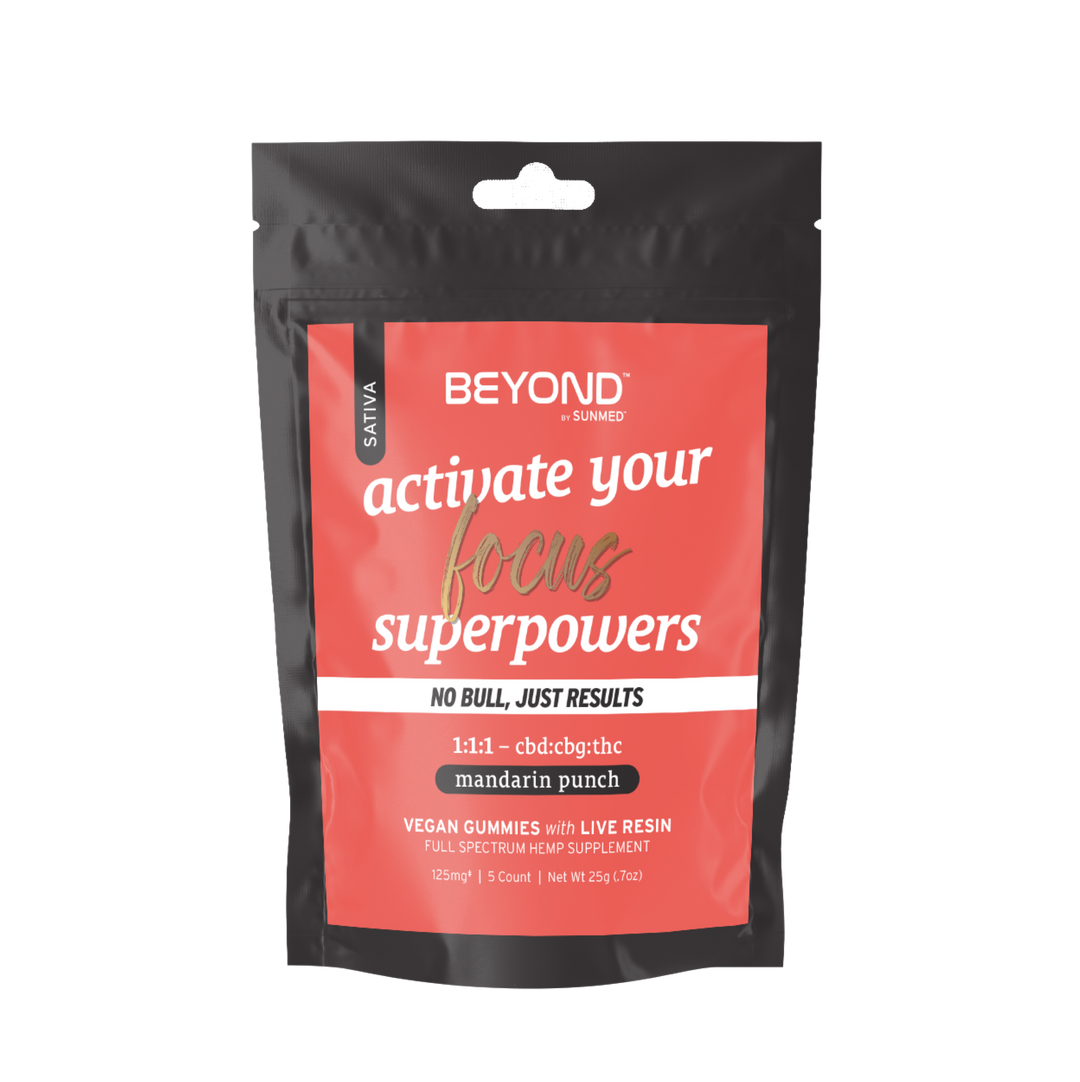
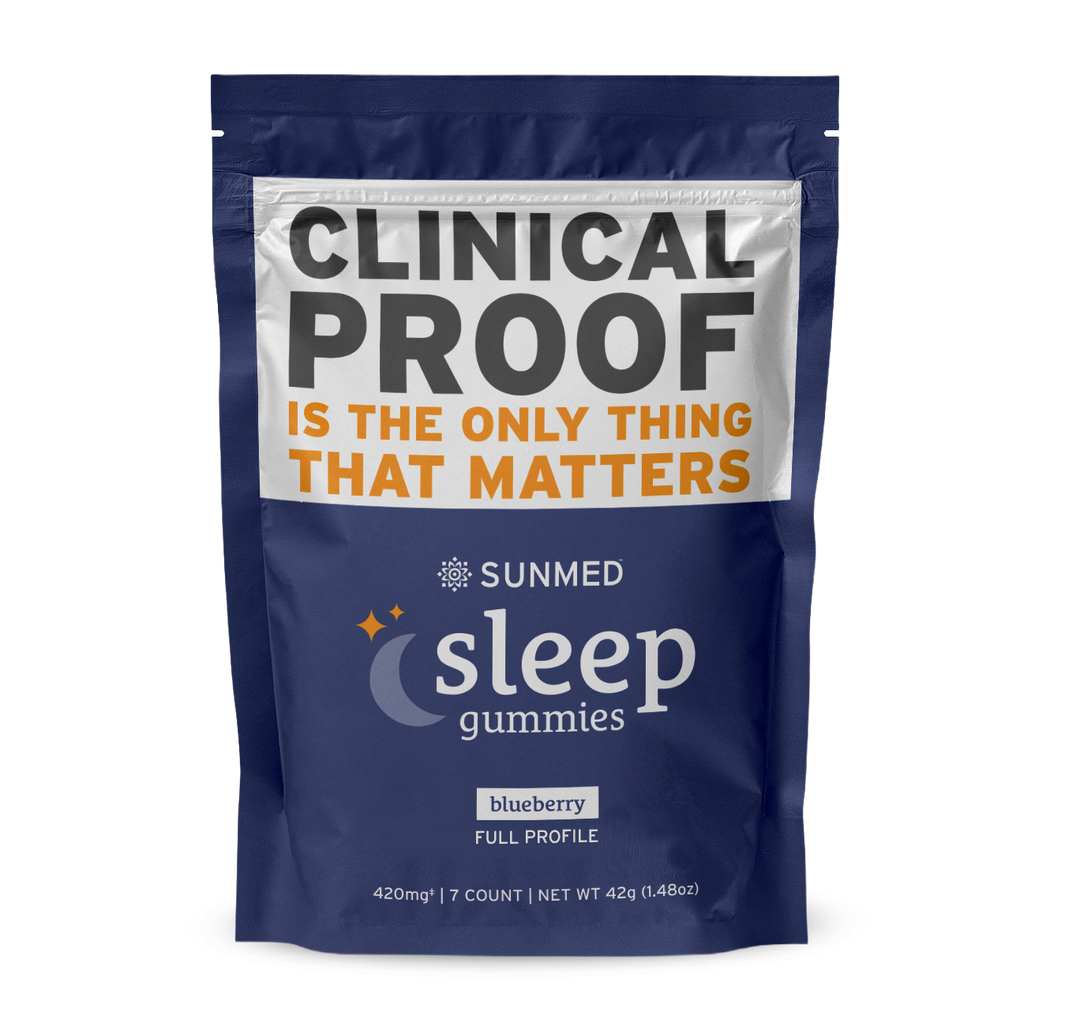
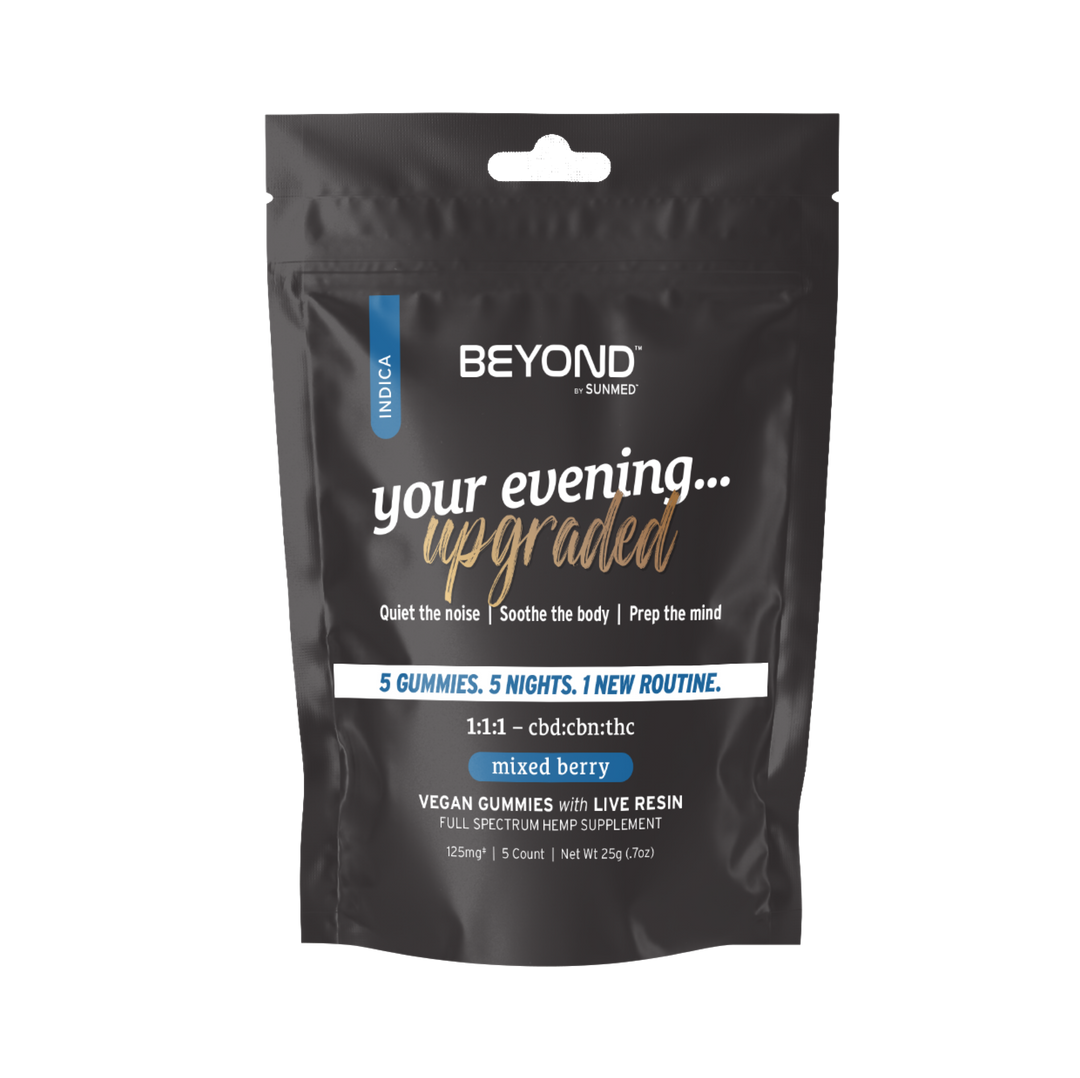
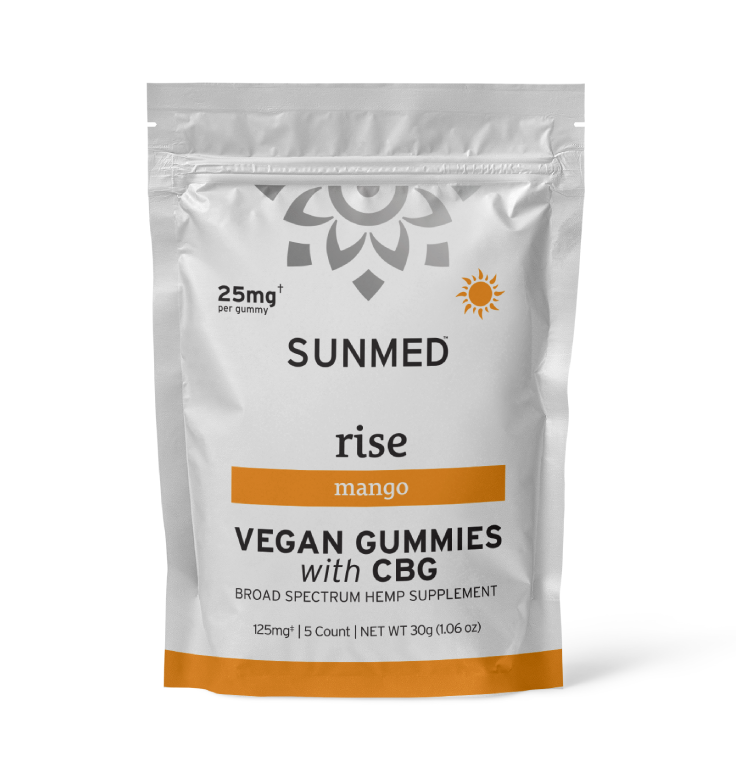
From calming CBD tinctures to CBD gummies for on-the-go days, we have a range of CBD products designed to fit any lifestyle at Sunmed.
When to get professional support for stress and anxiety
Lifestyle habits and wellness supplements can go a long way for everyday stress, but they're not a substitute for professional care if you’re dealing with something that is interfering with your quality of life.
If feelings of tension are persistent and overwhelming or are generally getting in the way of your daily life, it’s best to consult a healthcare provider for guidance.
The bottom line
Stress is usually a response to what's happening around you, while anxiety lingers within you. Both are part of being human, and both can respond well to consistent, caring routines.
Notice your signals, and try the practices that feel right for you. At Sunmed , our collection of science-backed, hemp-derived wellness products is designed to fit within your daily routine to ease tension and encourage a sense of overall balance. Explore how CBD can fit into your routine.
FAQs
Can stress turn into anxiety?
Yes, ongoing or unmanaged stress can contribute to persistent feelings of tension over time. When stressors pile up without relief, your body may stay in a heightened state even after the original trigger is gone — which is often how anxiety begins to take shape.
How do I know if I'm stressed or anxious?
A helpful starting point is to ask yourself whether there's a clear cause. If your feelings are tied to a specific situation and ease once it passes, that's likely stress. If the unease lingers, feels future-focused, or shows up without an obvious reason, it may be anxiety.
Can CBD help with stress?
Many people use hemp-derived CBD as part of their daily wellness routine to help support a healthy stress response.* CBD interacts with your Endocannabinoid System, which plays a role in mood, sleep, and overall balance — making it a thoughtful addition alongside habits like movement, mindfulness, and quality rest.*
What's the best way to manage stress and anxiety naturally?
Consistency is everything. A combination of regular movement, mindful practices, quality sleep, balanced nutrition, and supportive supplements like CBD can help your body maintain emotional wellness over time. If feelings of tension become overwhelming or persistent, reaching out to a healthcare professional is always a strong next step.
*This statement has not been evaluated by the Food & Drug Administration. This product is not intended to diagnose, treat, cure, or prevent any disease.
Sources
Physiology, Stress Reaction - StatPearls | NCBI Bookshelf
The Endocannabinoid System | Harvard Health
Enhancing Endocannabinoid Control of Stress with Cannabidiol | MDPI