







5 Non-Habit-Forming Sleep Aids To Know
Learn about different non-habit-forming sleep aids, how they work, and how to build the best nighttime routine to support better sleep with Sunmed.

Key takeaways:
- Non-habit-forming sleep aids focus on supporting relaxation and healthy sleep rhythms without creating dependency.
- Hemp-derived options like CBN and CBD, along with trusted nutrients and herbs, can be part of a gentle nighttime routine.
- Daily habits, such as limiting blue light, play a major role in long-term sleep quality.
If you’ve ever found yourself staring at the ceiling long after bedtime, you’re not alone. Poor sleep quality and nighttime restlessness are common, and many people are looking for ways to unwind without relying on habit-forming sleep aids.
While some options promise fast results, they can leave users feeling groggy, dependent, or disconnected from their body’s natural sleep rhythms.
That’s why more people are shifting toward non-habit-forming sleep support. Here’s what to know.
What does “non-habit-forming” really mean?
Non-habit-forming sleep aids are designed to support the body without creating physical dependence or tolerance. Many of them work with the body to help promote relaxation, ease feelings of tension, or support the body’s natural sleep-wake cycle.
These options are often used as part of a broader wellness routine. Consistency, quality ingredients, and realistic expectations matter. Supporting sleep is about giving the body the tools it needs while allowing its internal systems to do the rest.
5 non-habit-forming sources of sleep support
When those Zzzs aren’t coming easily, sleep support can make all the difference. Consider the following gentle options.
1. CBN
CBN (cannabinol) is a naturally occurring cannabinoid found in the hemp and cannabis plant. It develops as other cannabinoids age and is commonly associated with soothing effects that can promote better sleep. CBN interacts with the body’s endocannabinoid system (ECS), which helps regulate processes like mood, stress response, and sleep cycles.
CBN is not considered habit-forming because it does not override sleep mechanisms or create chemical dependency. Instead, it works with our internally produced endocannabinoids to gently support relaxation and may help promote overall sleep quality when used consistently as part of an evening routine.
2. Terpenes that support relaxation
Terpenes are aromatic compounds found in plants. While hemp plants contain a rich terpene profile, these scent-producing compounds are also found in various botanicals, including lavender, pine needles, and lemongrass. Along with creating a plant’s fragrance, research shows that terpenes can also provide a range of wellness benefits.
Certain terpene profiles, such as myrcene and linalool, are commonly associated with calming and soothing effects.
3. Magnesium
Magnesium is an essential mineral involved in muscle relaxation and nervous system regulation.
Magnesium supports neurotransmitters that help calm the body, making it a popular addition to nighttime wellness routines. Regular intake may help the body relax more efficiently at night.
4. Melatonin
Melatonin is a naturally produced hormone that helps regulate the body’s sleep-wake cycle. Factors like aging, irregular schedules, exposure to artificial light at night, or stress can cause natural melatonin levels to drop, prompting some people to turn to synthetic versions when sleep is elusive.
While supplemental melatonin can be useful for occasional needs (like adjusting to jet lag or temporary sleep disruptions), long-term use may interfere with the body’s natural production, making it harder to fall asleep without it.
Most importantly, melatonin addresses the symptom of sleeplessness, not the underlying causes, such as stress, poor sleep habits, or inconsistent routines, which are key to sustaining healthy, natural sleep.
5. Herbal sleep support options
Herbs like chamomile, valerian root, and lemon balm have long been used to promote calmness and nighttime relaxation. These herbs work by supporting nervous system balance and reducing feelings of tension.
When used mindfully and as directed, herbal supplements can complement other sleep-supportive practices.
What daily habits can support better sleep naturally?
Along with sleep aids, a few changes to your daily routine can help encourage elevated sleep hygiene.
Limit blue light exposure
Reducing screen time one to two hours before bed can help support natural melatonin production. Dimming lights and choosing calming evening activities may help signal to the body that it’s time to rest.
Practice deep breathing or mindfulness
Slow, intentional breathing can help calm the nervous system and reduce mental stimulation before bed. Techniques like deep belly breathing or guided relaxation can support a smoother transition into sleep.
Exercise earlier in the day
Regular movement supports overall wellness and sleep quality, but timing matters. Exercising earlier in the day allows the body time to wind down, while late-night intense workouts may increase alertness.
Optimize your sleep environment
A cool, dark, and quiet bedroom can support deeper, more consistent sleep. Comfortable bedding and a regular sleep schedule also help reinforce healthy sleep cues.
Supporting better sleep with intention
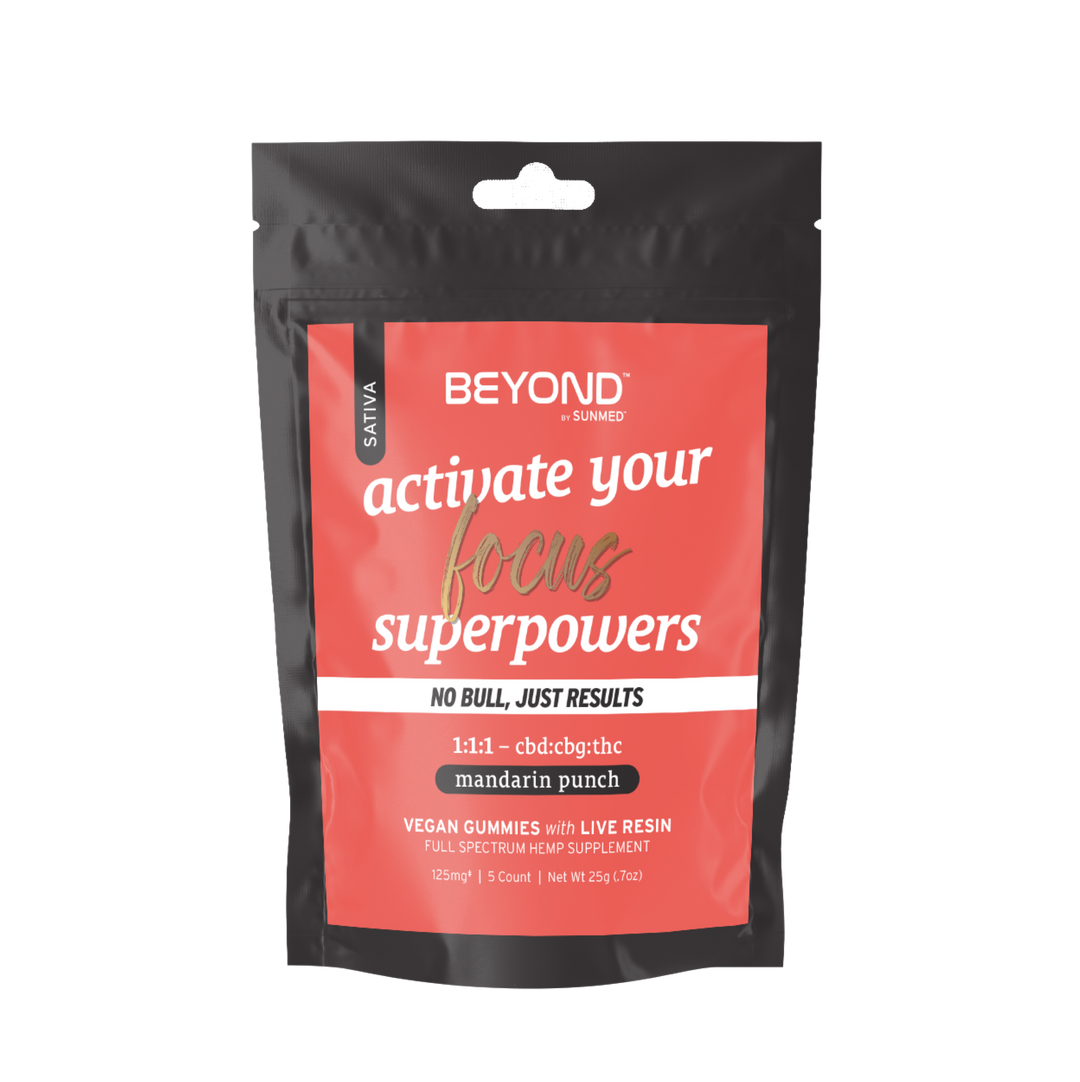
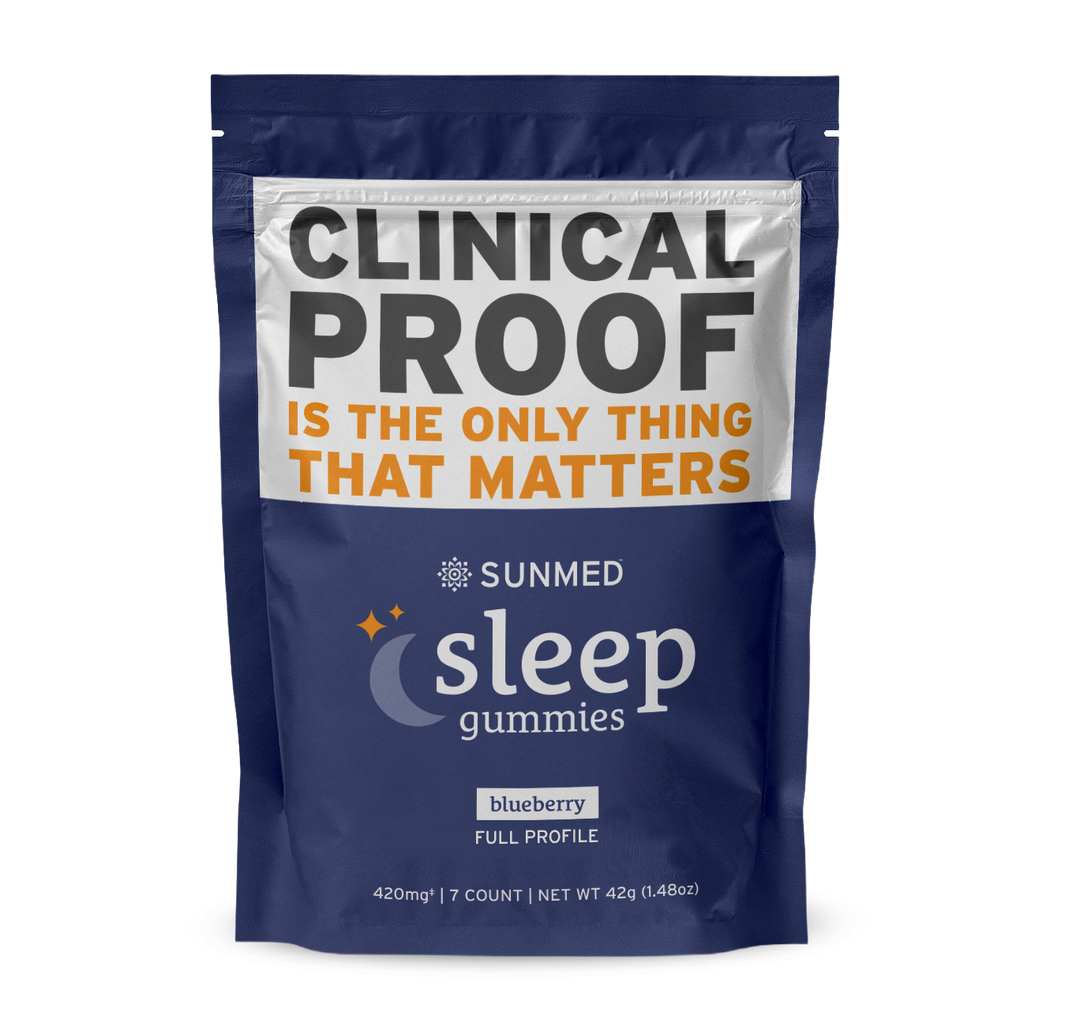
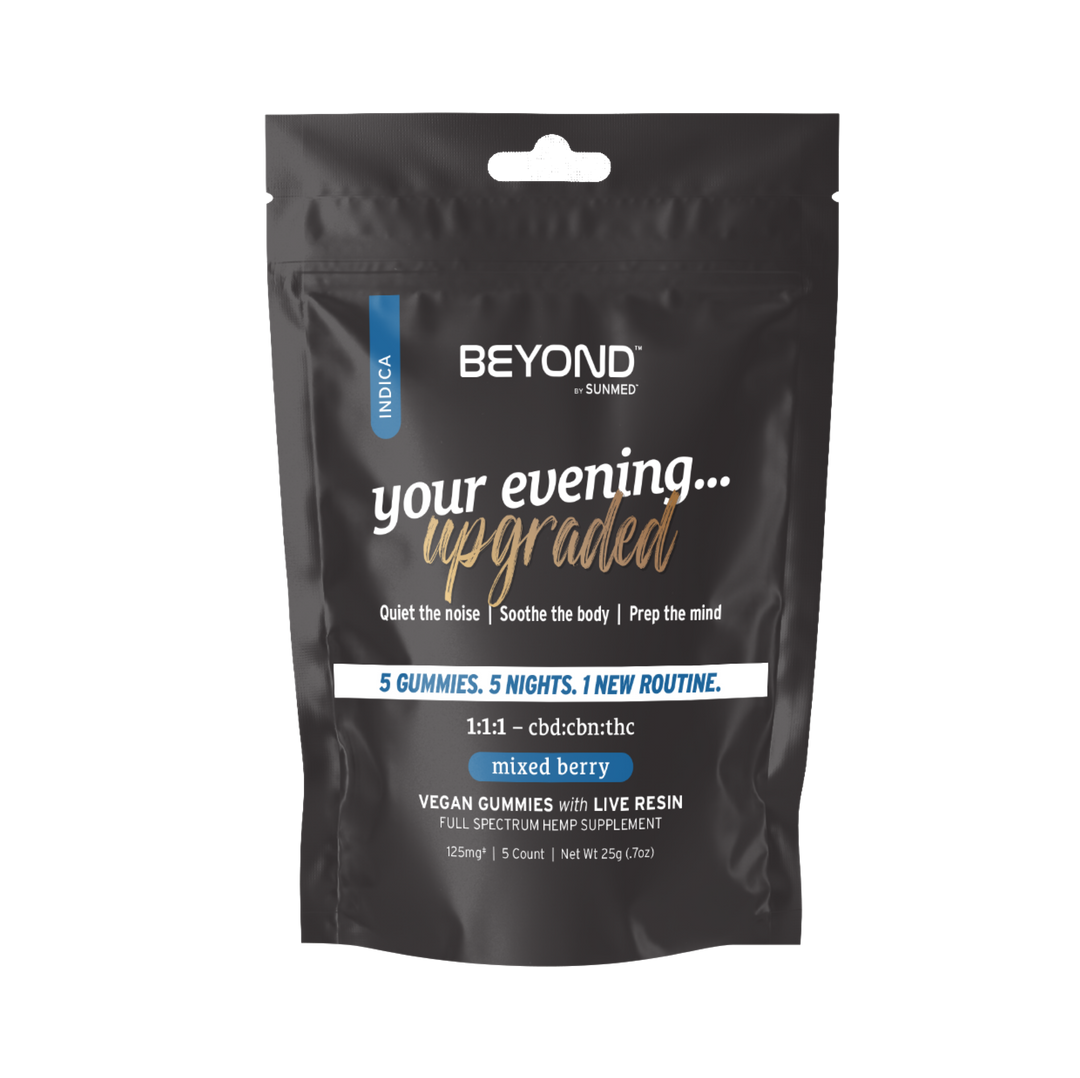
At Sunmed, we believe better sleep starts with education, transparency, and respect for the body’s natural processes. That’s why we’ve developed clinically proven, third-party tested, all-natural, hemp-derived CBN sleep gummies designed to support relaxation and healthy sleep routines.
Our formulas combine carefully selected cannabinoids and ingredients to help calm the mind without creating dependency.
Sleep support is all about creating the right conditions, night after night. With thoughtful habits and trusted natural wellness supplements, better sleep can feel more achievable and sustainable.
FAQs
Are non-habit-forming sleep aids safe for nightly use?
Many non-habit-forming sleep aids are designed for regular use when taken as directed. Choosing high-quality products with transparent sourcing and third-party testing is key.
How long does it take for natural sleep aids to work?
Some people notice relaxation effects quickly, while others benefit most from consistent use over time. Supporting sleep often involves building routines rather than expecting overnight changes.
Can hemp-derived sleep aids make you feel high?
Hemp-derived products formulated for sleep typically focus on non-intoxicating cannabinoids like CBD and CBN. When used as directed, they are designed to support calmness without impairment.
Should sleep supplements replace healthy habits?
Sleep aids work best when paired with supportive daily habits. Lifestyle factors like stress management, light exposure, and routine play a major role in sleep quality.
Sources:
Sleep aids: Understand options sold without a prescription | Mayo Clinic
What are terpenes | Medical News Today
Myrcene - an overview | ScienceDirect
Linalool - an overview | ScienceDirect
What can magnesium do for you and how much do you need? | Harvard Health
Mastering Sleep Hygiene: Your Path to Quality Sleep | Sleep Foundation