







CBN vs. THC: 3 Key Differences To Know
Are you looking for a wellness cannabinoid for your routine? Here’s what you need to know about CBN vs. THC and how to choose.

Key Takeaways:
- CBN forms when THC ages and breaks down. THC has psychoactive properties, but CBN does not.
- THC affects mood and perception. CBN supports calm and unwinding.
- Many nighttime blends highlight CBN for its gentle, grounding qualities.
- THC is more experiential, while CBN is more functional for everyday wellness.
Both can play a role in your holistic wellness routine. Understanding the differences will allow you to determine how to best utilize them in your routine.
CBN and THC both come from the same plant, yet their effects, strengths, and uses vary in ways that feel surprisingly complementary. Whether you’re curious about winding down at night, boosting overall balance, or simply understanding your options, here are the biggest differences to know.
1. Plant Origins
THC is one of the most popular derivatives of the cannabis plant. It's the cannabinoid responsible for cannabis’s euphoric, mind-altering effects, and it forms naturally in the plant as it grows and matures.
CBN, on the other hand, is more gentle. CBN forms when THC breaks down over time, usually when the plant is exposed to heat, light, or oxygen.
Think of CBN as THC’s mellowed, softened, wiser counterpart. Because it develops later in the plant’s life, it tends to appear in smaller amounts and is often collected through careful extraction techniques.
CBN is, essentially, older THC. Its sharp edges wear away with time, and the remaining effect profile is much gentler.
2. Psychoactive Effects
The most common reason people want to understand the difference between THC and CBN is that they need to know what to expect in terms of elevating effects.
THC binds strongly to CB1 receptors in your brain. These receptors, a core part of your endocannabinoid system, may play a role in supporting mood, perception, and sensory experience. That’s why THC can feel euphoric, uplifting, or dreamy depending on the strain and serving size.
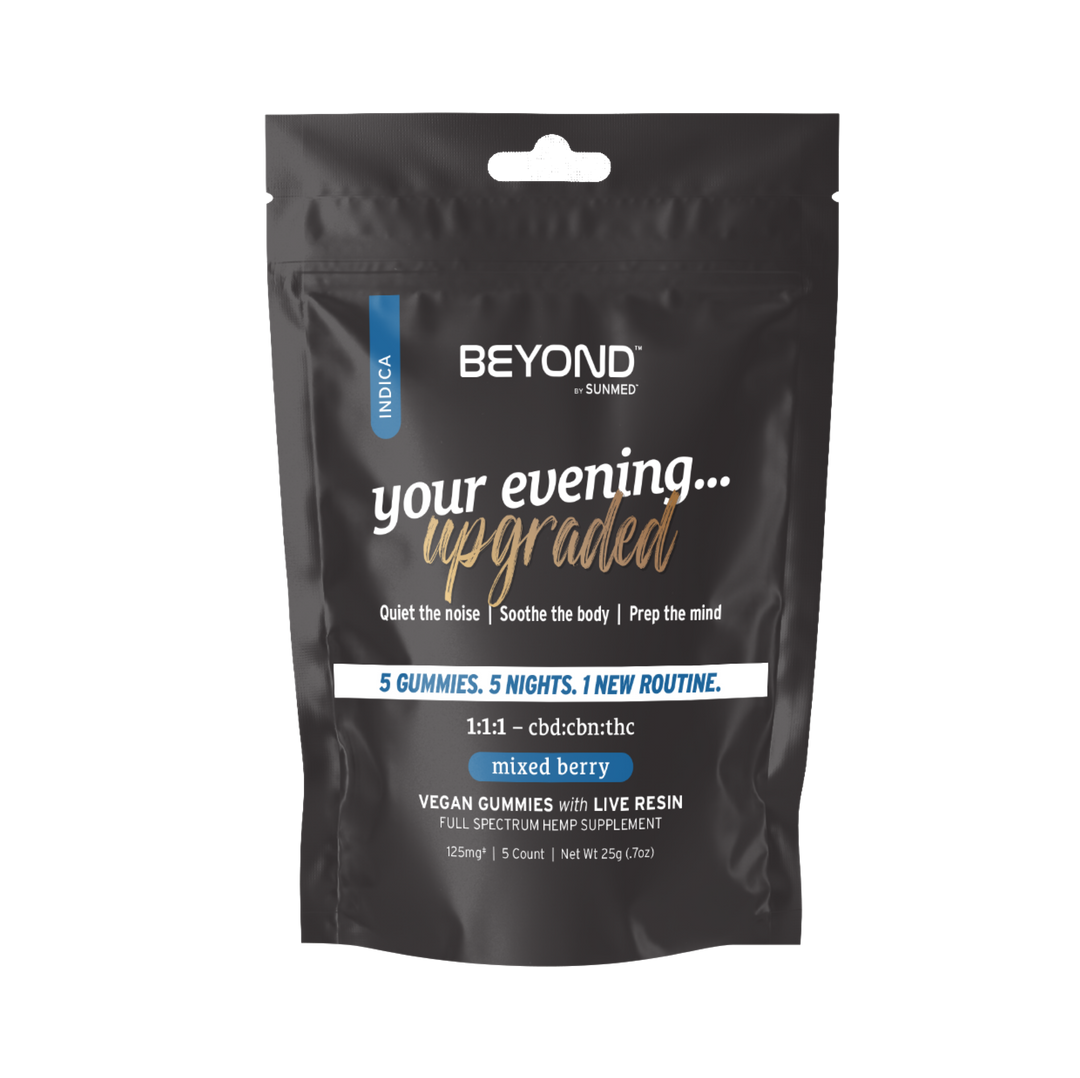
CBN interacts with those receptors far more gently. It’s non-intoxicating, so there’s no “high” to speak of. Instead, many people turn to CBN for its calming qualities. It’s often incorporated into nighttime formulas, wellness blends, or routines meant to help your body unwind at the end of the day.
3. Everyday Uses
THC is commonly used for mood, creativity, appetite, and deeper sensory experiences. Some people enjoy it for enhancing music, art, or certain types of relaxation because it adds a layer of vividness.
CBN is helpful when you’re looking for gentle, grounding support. That's why so many CBD for sleep formulas incorporate CBN.
The Bottom Line
CBN and THC may share the same botanical family tree, but they offer two completely different experiences. THC brings intensity, creativity, and sensory richness, while CBN offers calm, softness, and balance.
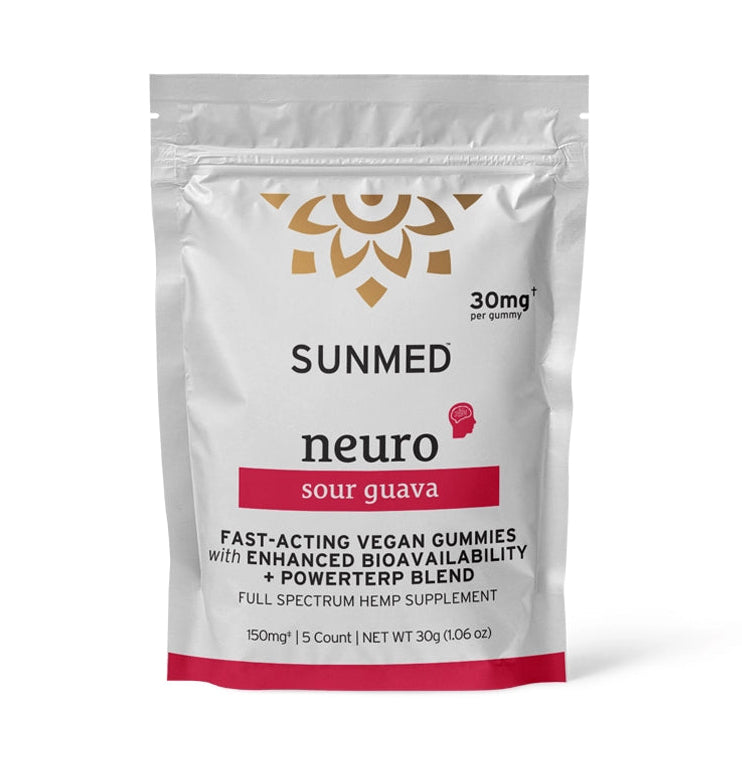
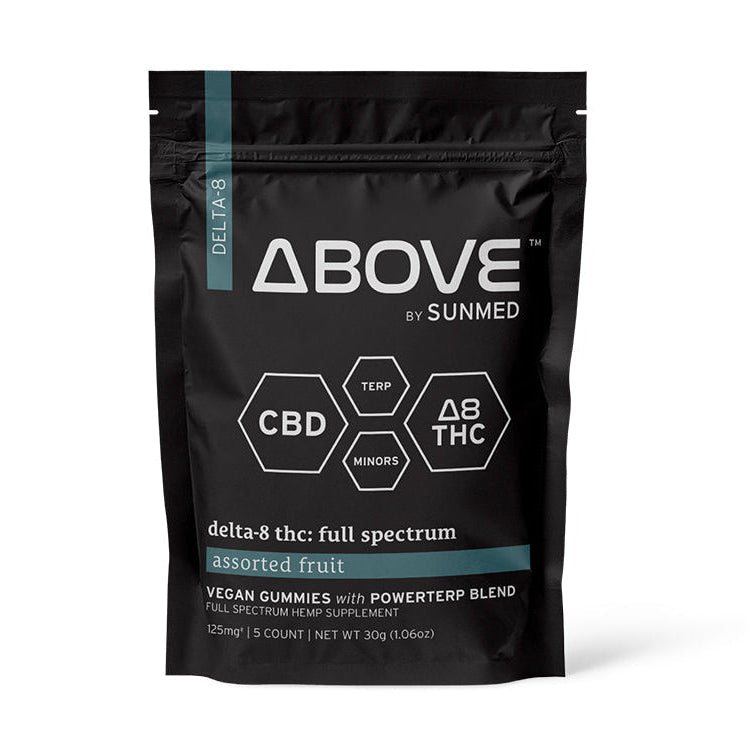
Understanding their differences helps you choose the cannabinoid that complements your lifestyle, whether you're seeking a peaceful evening routine or a more elevated moment of mindfulness. Shop Sunmed for premium CBD products.
FAQs
Is CBN stronger than THC?
No. CBN is much milder. It doesn’t cause intoxication and feels more calming than intense.
Can you take CBN during the day?
Yes. While many people use it at night, it’s gentle enough for daytime use if you prefer steady, mellow support.
Does CBN show up on drug tests?
CBN itself isn’t typically tested for, but in rare cases, it may cause a false positive for THC, depending on the test.
Can you mix CBN and THC?
Many people do. The combination can create a balanced effect. THC provides mood elevation, while CBN adds smoothness.
Is CBN naturally sedating?
CBN on its own feels calming, but many nighttime products combine it with relaxing terpenes or herbal soothing aids, which can enhance that effect.
Sources:
Mechanisms of Action and Pharmacokinetics of Cannabis | PMC
Cannabinol: History, Syntheses, and Biological Profile of the Greatest "Minor" Cannabinoid | PubMed